
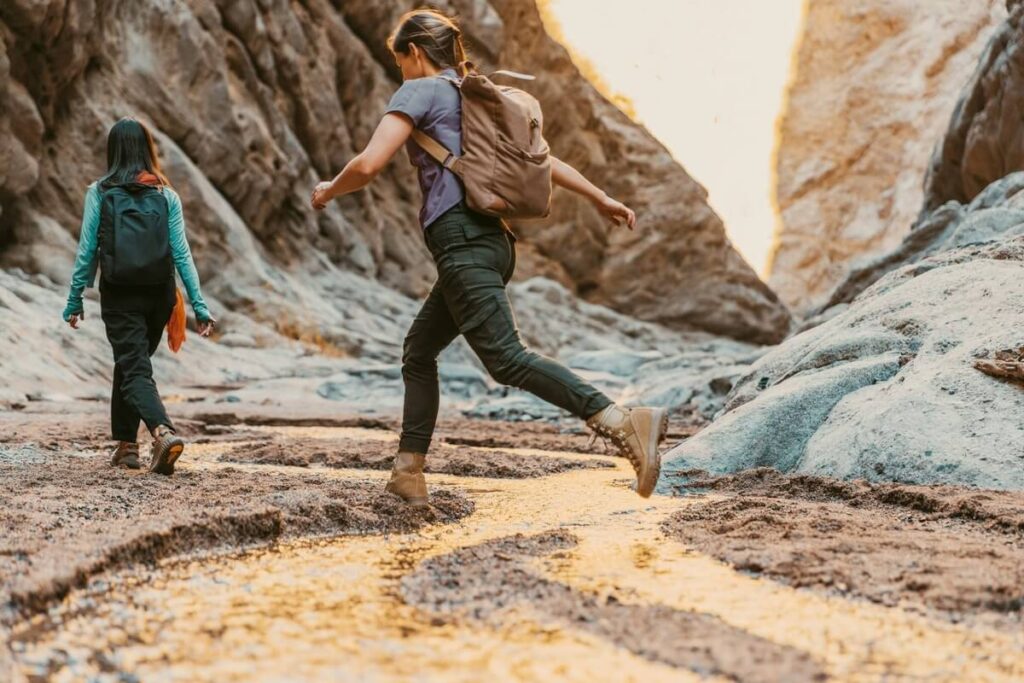
Travel feels better when your daily health routines come with you. A few practical choices can help you stay hydrated, eat well, sleep more comfortably, and avoid carrying unnecessary weight. The key is to prepare for predictable challenges such as long waits, changing schedules and limited food options. These healthy travel habits will help you protect your energy from departure through the trip home.
Packing Smart for Wellness
Start with a small wellness kit that you can reach without opening your main suitcase. Include any prescribed medicine in its original packaging, basic first-aid supplies, hand sanitizer, sunscreen, and a reusable water bottle. Pack enough medication for your trip plus a few extra days in case of delays. The summer travel health tips from Jefferson County Health Center also recommend preparing for your destination’s weather and planned activities.
Keep your load manageable by choosing versatile clothing and travel-size toiletries. If hotel checkout falls hours before your train or flight, reserve baggage storage so you can spend that gap exploring New York without hauling your bags.
Nutrition on the Move
Pack familiar snacks before leaving home. Nuts, whole-grain crackers, fruit, and low-sugar protein bars travel well and can prevent an unplanned meal of sweets from a vending machine. If you have dietary restrictions, save a translated note explaining them on your phone.
Drink water regularly, especially during flights and long train rides. A simple target is to finish a bottle during each major travel segment, though your needs will vary with temperature and activity. Broader travel wellness guidance also supports maintaining hydration and balanced eating habits on the road. At restaurants, look for meals that combine vegetables, protein, and a filling carbohydrate such as rice or potatoes.
Reducing Travel Stress
Build extra time into the parts of your schedule that involve security lines, transfers, or unfamiliar stations. Arriving 20 to 30 minutes earlier than strictly necessary gives you room to handle a wrong turn without feeling rushed. Keep confirmation numbers, tickets and accommodation details in one offline phone folder in case your signal drops.
You can also follow a stress-free travel day formula to organize departure times, documents and backup plans. During delays, focus on the next useful action: check the updated departure board, notify your accommodation, or find a comfortable place to wait. A few slow breaths can reduce physical tension while you decide what to do.
Hands-Free City Exploration
Heavy bags can strain your shoulders and change how you move, particularly when you’re climbing stairs or walking on uneven sidewalks. Carry only what you expect to use during the next few hours. A light day bag might contain water, sunscreen, a portable charger, identification, and a thin layer for changing weather.
Adjust backpack straps so the bag sits close to your back, and switch shoulders regularly if you use a crossbody bag. Secure your phone and wallet in zipped compartments instead of loose outer pockets. Schedule short sitting breaks during a long day of sightseeing, even when you don’t feel tired yet. Ten minutes in a park or cafe can help your feet and back recover before the next stop.
Prioritizing Rest and Sleep
Protect a consistent sleep window when your schedule allows. On the first night, set out the next day’s clothes, charge your devices, and prepare water before getting into bed. This short routine reduces late-night decisions and makes the morning easier.
For a time-zone change, move meals and sleep toward local time after arrival. Morning daylight can help reset your body clock, while an eye mask and earplugs can make an unfamiliar room more restful. Keep naps to about 20 to 30 minutes if you need an afternoon reset, since a long nap may interfere with nighttime sleep.
Leave some open space in each day’s plans. One relaxed evening or a slower morning may be the difference between enjoying the final day and merely pushing through it.