
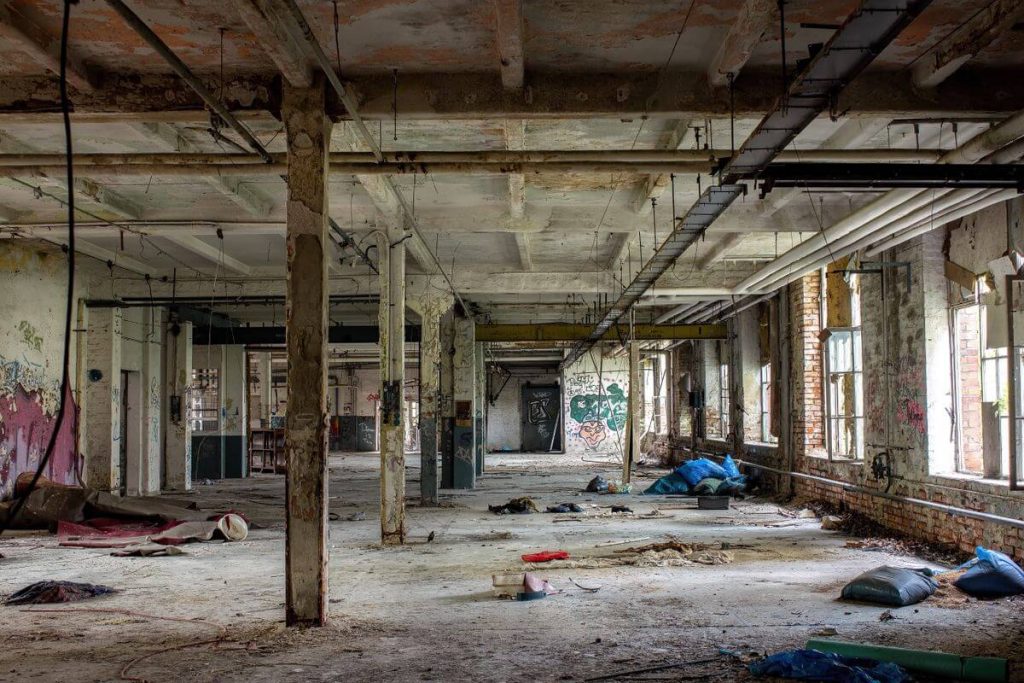
When looking at a busy warehouse budget, leaders typically focus on major line items: logistics software upgrades, fleet leasing, energy bills, and headcount. Rarely does anyone point to the dust settling in the corner or the tire tracks layering up in the aisles and think that this is a reason for losing money.
A dirty warehouse floor is often treated as a visual nuisance, as something to sort out when time allows. However, allowing dust, debris, swarf (metal shavings), and oil residue to accumulate builds up substantial hidden operational costs.
Let’s look at the three areas where neglected warehouse floors actively drain your bottom line and explore how upgrading your cleaning regime can protect your profits.
1. Forklift Tyres
Industrial forklift tires are highly engineered components designed to carry heavy loads across smooth surfaces. They are also incredibly expensive to replace. When warehouse floors are not kept clear, those tires face a constant barrage of abrasive elements.
- The Grinding Compound Effect: Fine concrete dust, silica, and ambient dirt don’t just sit on the floor. They coat the tyres. As a forklift accelerates, turns, and brakes, this dust acts like liquid sandpaper, grinding down the tyre tread at a much faster rate.
- The Danger of Swarf and Debris: In manufacturing-adjacent warehouses, metal shavings, wood splinters, and stray pallet nails present a constant hazard. Puncturing or chunking a solid rubber or polyurethane tyre leads to immediate machine downtime.
- Uneven Wear: When forklifts routinely drive through accumulated grime or over uneven patches of dirt, tyres wear down unevenly. This compromises vehicle stability, increases vibrations for the operator, and forces tyre replacements long before their natural lifespan ends.
Keeping your floors stripped of abrasive dust and sharp debris directly extends the life of your fleet’s rubber.
2. Operational Efficiency
Efficiency in a fulfillment centre or warehouse is measured in seconds. If your floors are dirty, your entire operation slows down to compensate.
Reduced Travel Speeds
Forklift operators will naturally (and correctly) slow down when navigating floors covered in dust film, grease patches, or scattered debris. A drop from a safe 8 mph to 4 mph across a vast facility, multiplied by dozens of drivers over a three-shift rotation, results in a massive hit to daily throughput.
Pallet and Inventory Damage
Dust doesn’t stay on the floor. Every time a heavy vehicle passes by, a cloud of fine particulate matter is kicked up into the air. It settles on lower-level racking, pallet wrap, and the inventory itself. If you are storing consumer goods, electronics, or food products, shipping dusty packaging to customers leads to expensive returns and damaged client relationships.
Also Read: How a Dependable Freight Forwarder Can Assist Your Business
Sensor and Scanner Malfunctions
Modern warehouses rely heavily on automated systems, automated guided vehicles (AGVs), and barcode scanners. Fine dust layers coat optical sensors and camera lenses, leading to misreads, tracking failures, and system halts that require manual troubleshooting.
3. Workplace Safety
The most serious cost of a dirty floor is the threat to your workforce. Slips, trips, and falls remain among the primary causes of workplace injuries in industrial environments.
According to Health and Safety Executive (HSE) statistics, slips and trips cause over a third of all major workplace injuries, costing UK businesses millions annually in lost productivity and insurance claims.
Many facilities try to solve this with a traditional mop and bucket. In an industrial setting, mopping often makes the problem worse. Mops don’t remove grease or fine silt from porous concrete floors; they simply redistribute a thin layer of dirty, oily water across the surface. This creates a highly slick film that takes hours to air dry, lengthening the window for potential slip-and-fall accidents.
Why Automated Scrubber Dryers Save the Day
The most effective way to eliminate these hidden costs is to transition from manual sweeping and mopping to an automated floor scrubber dryer.
Industrial floor scrubber dryers like the one at Clemas combine heavy-duty rotating brushes or pads with a powerful vacuum extraction system. They lay down water and detergent, scrub away embedded grease and tire marks, and instantly vacuum the dirty residue into an internal recovery tank.
Because the machine leaves the floor completely dry in a single pass, there is no waiting around for surfaces to dry, meaning you can maintain high safety standards without halting warehouse traffic.
Walk-Behind vs. Ride-On
Depending on the footprint of your facility, your approach to mechanised cleaning will vary. Here’s how:
- Walk-Behind (Pedestrian) Scrubber Dryers: Ideal for small to medium facilities or warehouses with tight aisles, mezzanine levels, and compact packing zones. They offer maximum maneuverability.
- Ride-On Scrubber Dryers: Designed for expansive floor spaces, logistics hubs, and heavy industrial plants. Ride-on units cover massive areas quickly, lowering labour costs and reducing operator fatigue.
Protect Your Floor, Protect Your Profits
Cleanliness isn’t just about passing an occasional audit or keeping up appearances for visiting clients. In a modern logistics environment, floor maintenance is a direct driver of operational health.
By investing in proper cleaning technology, you can actively reduce tyre replacement frequencies, keep your fleet moving at peak speeds, and ensure your team leaves work safely at the end of every shift. Get in touch with Clemas today for more information.