

Quick Answer: Most construction delays trace back to a small number of recurring causes — incomplete planning, slow decision-making from the client or design team, weather, material or labour shortages, and changes made after work has already started. Identifying which of these is actually driving a specific delay is the first step to managing it well, since each cause needs a genuinely different response.
Delays Are Rarely About the Work Itself
It’s easy to picture a construction delay as a problem with the physical building work — a wall going up slower than planned, a trade running behind. In practice, most serious delays trace back to decisions, information, or coordination rather than the pace of the work on site.
That distinction matters because it changes where the fix needs to happen. A delay caused by an unresolved design detail isn’t solved by working faster on site; it’s solved by getting the decision made, which is often outside the site team’s control entirely and requires escalation to whoever actually holds that authority.
The Main Causes, and What Reduces Each
| Cause of delay | Why it happens | What reduces the risk |
|---|---|---|
| Incomplete design information | Drawings issued before every detail is finalised | Freeze design decisions earlier; build in a formal review stage before work starts |
| Slow client or design-team decisions | Approval chains that aren’t clearly defined | Agree decision-making authority and response times before the project starts |
| Material or labour shortages | Long lead times underestimated at planning stage | Order long-lead items early; confirm labour availability ahead of need |
| Weather and site conditions | Genuinely unpredictable factors | Build contingency time into the schedule rather than assuming ideal conditions |
| Scope changes mid-project | Requirements change after work has already started | Lock scope as early as possible; cost and time changes into any late request |
Planning and Design Issues
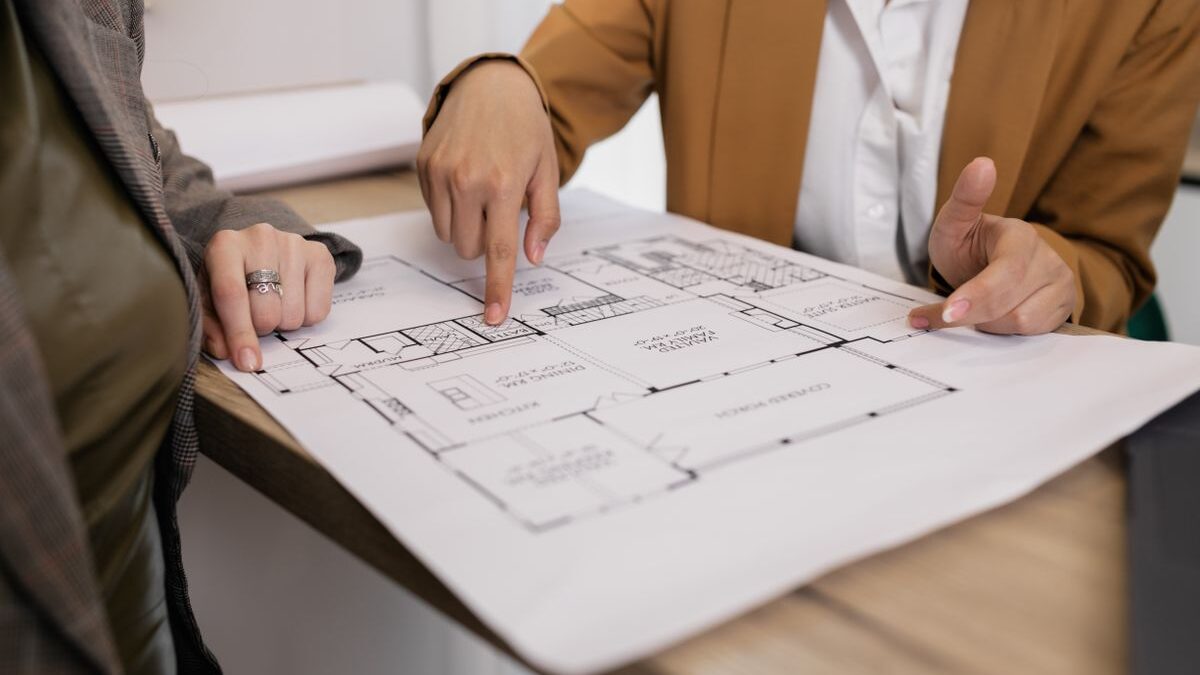
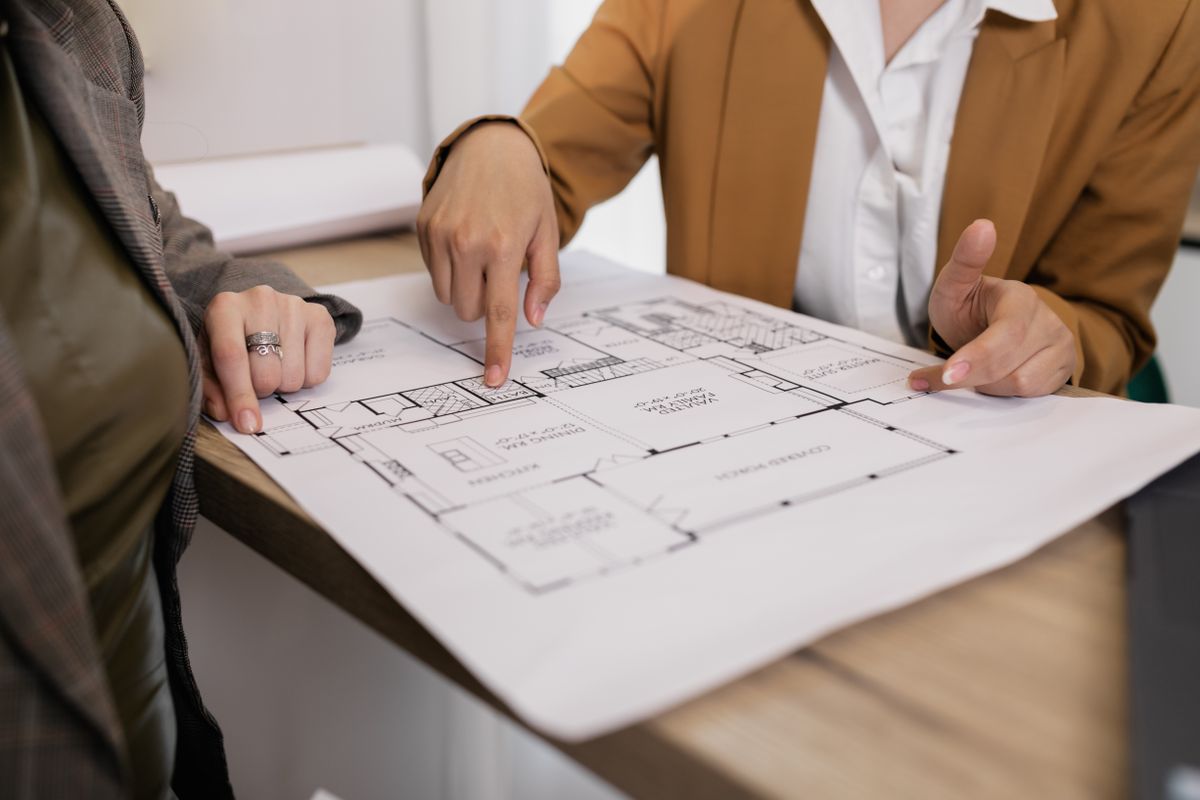
Drawings issued before every detail is resolved are one of the most common sources of delay, because the gaps only surface once work reaches that specific detail on site — often too late to resolve without stopping progress.
Design conflicts discovered mid-build, where two systems were designed without properly checking against each other, cause a similar problem: work has to stop while the conflict is resolved, and by that point, other trades may already be scheduled to follow immediately behind.
Permitting and approval delays, where required sign-offs take longer than the schedule assumed, are a separate but related issue — one that’s often outside the direct control of the project team but still needs to be planned around rather than assumed away.
Decision-Making Bottlenecks
A project can have a perfectly capable site team and still fall behind schedule if decisions — a colour selection, a fixture choice, approval of a proposed change — sit unanswered for weeks. The work on site can only run ahead of decisions for so long before it has to stop and wait.
This is often a structural problem rather than a personal one: if it isn’t clear who has authority to make a given decision, or how quickly they’re expected to respond, decisions naturally slow down regardless of anyone’s intentions.
A written decision log, listing what’s outstanding, who owns it, and when it’s needed by, tends to surface this kind of bottleneck early enough to act on it, rather than only becoming obvious once the schedule has already slipped.
Supply Chain and Labour
Material lead times are frequently underestimated at the planning stage, particularly for specialised or custom items that can’t simply be sourced from another supplier if the first one is delayed.
Skilled labour shortages compound this — even with materials on site, work can’t proceed without the right trade available at the right time, and high-demand trades are often booked out weeks or months in advance.
Weather and Site Conditions
Some delay causes are genuinely and entirely outside anyone’s control. Weather affects different trades differently — certain work simply can’t proceed safely in specific conditions — and ground conditions discovered only once excavation begins can require redesign that wasn’t anticipated at all.
The realistic response isn’t to eliminate this risk entirely, since that isn’t possible, but to build contingency time into the schedule from the outset rather than planning around an assumption of ideal conditions throughout.
Why Documentation Habits Reduce Disputes as Well as Delays
Beyond preventing delays outright, clear written records of decisions, instructions, and approvals matter once a delay has already happened, since establishing what caused it and who was responsible for the resulting time and cost often depends entirely on what was documented at the time.
Verbal instructions given on site, without a written follow-up, are a common source of later disagreement about what was actually agreed, and are one of the more avoidable contributors to disputes that drag on well past the delay itself.
Scope Changes Mid-Project
A change requested during planning costs comparatively little — it’s a conversation and a drawing revision. The same change requested after work has started can mean undoing completed work, reordering materials, and re-sequencing trades that were already scheduled around the original plan.
This is why locking scope as early as realistically possible, and treating late changes as carrying both a cost and a time impact rather than just a cost alone, tends to reduce how often they happen.
How a Single Delay Cascades Through a Schedule
Not every delayed task delays the overall project — a schedule has a critical path, the specific sequence of tasks where a delay to any one of them pushes back the finish date directly. Tasks with spare time built around them, sometimes called float, can slip without affecting the overall completion date at all.
This is why the same size delay can matter enormously in one part of a schedule and barely register in another. A useful early step when a delay occurs is checking whether the affected task actually sits on the critical path before assuming the whole project has slipped by the same amount.
It also explains why a small early delay is often more serious than a larger delay much later — an early critical-path slip has more remaining schedule left for its effects to compound through, as later tasks queue up behind it.
What Actually Reduces Delay Risk
Contingency time built into the schedule from the start, rather than added only once a delay has already occurred
Clearly defined decision-making authority and agreed response times, established before the project begins
Early procurement of long-lead materials, ordered against the schedule rather than against when they’re needed
Regular progress reviews that are designed to surface emerging problems early, rather than only confirming what’s already gone to plan
None of these measures eliminate delay risk entirely, since some causes — weather chief among them — are genuinely outside anyone’s control. What they do is reduce how often a delay in one area cascades into the overall project finish date, which is usually the more realistic and achievable goal.
Key Takeaways
In short
- Most serious construction delays trace back to decisions, information, or coordination rather than the pace of the physical work.
- Design details left unresolved at the drawing stage tend to surface as delays only once work reaches that specific detail on site.
- Unclear decision-making authority slows a project down structurally, independent of anyone’s individual effort or intentions.
- A scope change costs disproportionately more time and money the later it’s requested in a project.
- Contingency time, clear decision authority, and early procurement address the most common causes of delay directly.
- A delay only affects the overall finish date if it falls on the schedule’s critical path — checking this before reacting avoids overestimating the impact.
Frequently Asked Questions
What’s the single most common cause of construction delays?
There’s rarely just one, but incomplete design information and slow decision-making are among the most frequently cited causes, since both stop site work regardless of how efficiently the physical building work itself is proceeding.
Can weather delays be avoided entirely?
Not entirely — weather is genuinely unpredictable. The realistic goal is building contingency time into the schedule so a weather delay doesn’t automatically become an overall project delay.
Why do late scope changes cost so much more than early ones?
A change requested during planning is a conversation and a drawing revision. The same change after work has started can mean undoing completed work and re-sequencing trades that were already scheduled around the original plan.
How can decision-making delays be reduced?
Agreeing who has authority to make specific decisions, and what response time is expected, before the project begins tends to reduce this significantly, since ambiguity about authority is often the real cause of slow decisions.
Should contingency time be built into every construction schedule?
Generally yes, particularly for anything exposed to weather, ground conditions, or long-lead materials, since assuming ideal conditions throughout tends to produce schedules that slip as soon as anything unexpected occurs, however minor.
Common Causes of Delays on a Construction Project
Stay connected