
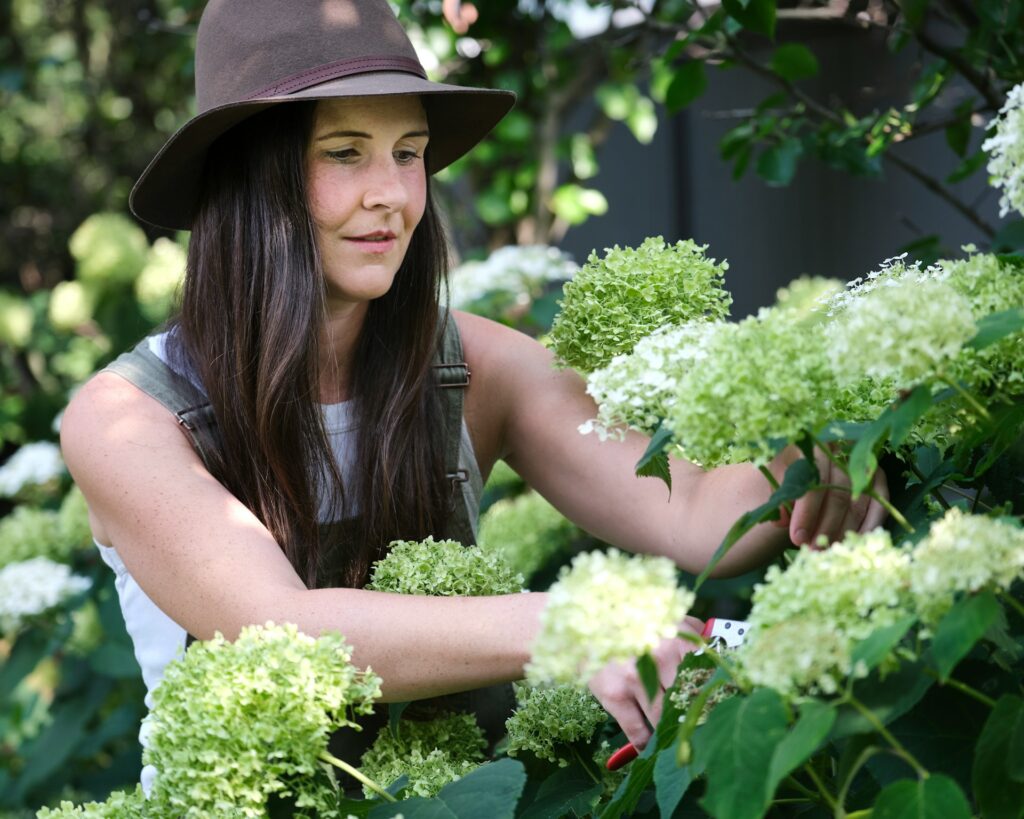
A well-tended garden makes you proud, but keeping your outdoor space looking its best takes more than just watering and weeding. Pruning is one of the best ways to keep your trees and shrubs healthy, growing well, and looking good. It might seem a bit scary at first, but with a little know-how, you can tackle it with confidence and turn your yard into a beautiful, thriving oasis.
Understanding Pruning Basics
Basically, pruning means carefully cutting off parts of a plant to reach a certain goal. This isn’t just about hacking away at branches that have gotten too long. Smart pruning helps guide a plant’s energy, encourages new growth, and keeps it strong overall. One of the first things to learn is the “three D’s” of pruning: get rid of anything that’s dead, damaged, or diseased. This simple step is important for plant health, as it stops pests from getting in and keeps rot from spreading.
When you prune also really matters. For most trees and shrubs, the best time is when they’re dormant in late winter or early spring, just before new growth starts. Pruning then puts less stress on the plant, letting it put all its spring energy into making healthy new leaves and branches. But some plants, like shrubs that bloom in spring, should be pruned right after their flowers fade. If you prune them in winter, you’d be cutting off the buds for next season’s blooms. Learning the basics of pruning for different plants is the first step to a healthier garden.
Choosing the Right Pruning Tool
Having the right tool for the job doesn’t just make your work easier; it also makes sure you’re making clean cuts that heal fast. Using a tool that’s too small can hurt both the plant and the tool, while one that’s too big can feel clumsy and unsafe. Your basic set of tools should handle everything from delicate trims to bigger branches.
- Hand Pruners: These are perfect for stems and small branches, up to about three-quarters of an inch thick. Bypass pruners, which cut like scissors, make the cleanest cuts and are best for live wood. Anvil pruners have one blade that closes onto a flat surface and work better for dead wood.
- Loppers: Think of loppers as hand pruners with long handles. That extra length gives you more power, letting you cut through branches up to two inches thick with much less effort.
- Pruning Saws: When branches are thicker than what your loppers can handle, you’ll need a pruning saw. Their sharp teeth are designed to cut efficiently as you pull the saw back.
- Chainsaws: For bigger jobs, like taking down large, thick branches or small dead trees, you’ll need more power. A lightweight but strong electric or battery-powered Worx chainsaw can be a great tool for homeowners who need to tackle serious yard cleanup.
No matter which tool you use, keeping it sharp and clean is important. A sharp blade makes a clean cut that the plant can easily heal, which means less chance of disease. Wiping the blades with disinfectant between cuts, especially if you’re working on diseased plants, helps stop problems from spreading around your yard.
Enhancing Plant Health
Proper pruning is one of the best things you can do for your plants’ long-term health. By carefully removing branches, you can really improve how air moves and how much sunlight gets into the plant’s leaves. This is key for stopping fungal diseases like powdery mildew, which love damp, still conditions. When leaves are packed together, they stay wet longer after it rains, creating a perfect spot for problems to start. Thinning out the middle of a thick shrub or tree lets air and light reach the inner leaves, keeping the whole plant healthier.
The kind of cut you make also changes how the plant reacts. Thinning cuts remove a whole branch right back to where it started, which opens up the plant without making too much new growth. Heading cuts, on the other hand, trim a branch back to a bud, encouraging the plant to get thicker and bushier. Knowing when to use each technique is crucial for getting what you want. For example, you’d use thinning cuts to improve the shape of an apple tree, but heading cuts to help a hedge fill in. Following guidelines for proper tree pruning can help you make cuts that lead to strong, healthy growth and prevent problems down the road. In the end, just a few well-placed cuts can bring an old plant back to life and make sure it keeps thriving for years.
Shaping for Aesthetic Appeal
Besides keeping plants healthy, pruning lets you be an artist, shaping your landscape to match your vision. Aesthetic pruning can mean anything from keeping a plant’s natural, wild look to creating very structured and formal designs. For many flowering shrubs and ornamental trees, the goal is simply to make them look even more beautiful. This might involve taking out awkward or crossing branches to show off an elegant shape, or lightly trimming the plant to encourage a nicer, more balanced form.
If you like a more manicured look, pruning is essential. Formal hedges, like those made from boxwood or yew, need regular trimming to keep their crisp lines and dense shape. This kind of pruning creates a living wall that can define areas, offer privacy, or act as a neat border for a garden bed. You can also use pruning to create eye-catching spots in your yard. For instance, you could prune a small tree or large shrub into a specific shape, a technique called topiary, to add a touch of fun or formal elegance. Pruning can also be practical, like framing a nice view from a window or clearing away lower branches on a tree to make more usable space underneath.
Safety Tips for Tree Work
While pruning is a satisfying activity, it does come with risks, especially when you’re dealing with bigger trees or power tools. Your safety should always be the most important thing. The first and most crucial rule is to know what you can handle. If you’re unsure whether a job is within your skill level, it’s worth hiring a gardener. Any job that needs you to climb a ladder to reach high branches, involves large and heavy limbs, or is near power lines should be left to a certified professional arborist. They have the training, equipment, and insurance to do the job safely.
For any pruning work you do yourself, always wear personal protective equipment (PPE). This means sturdy gloves to protect your hands, safety glasses to shield your eyes from flying bits, and closed-toe shoes to protect your feet. If you’re using a chainsaw, you should also wear hearing protection and leg chaps. Always look around before you make a cut. Make sure no people or pets are in the area where a branch might fall. According to official tree care safety guidelines, checking the area for dangers before you start is a critical step. When using a ladder, make sure it’s on stable, level ground and always keep three points of contact. A little bit of caution goes a long way in preventing accidents and making sure your yard work stays safe and enjoyable.
With these ideas in mind, you can see pruning not as a chore, but as a creative and helpful process. Each cut is a chance to make your outdoor space healthier and more beautiful, helping your garden grow stronger and look better season after season.