
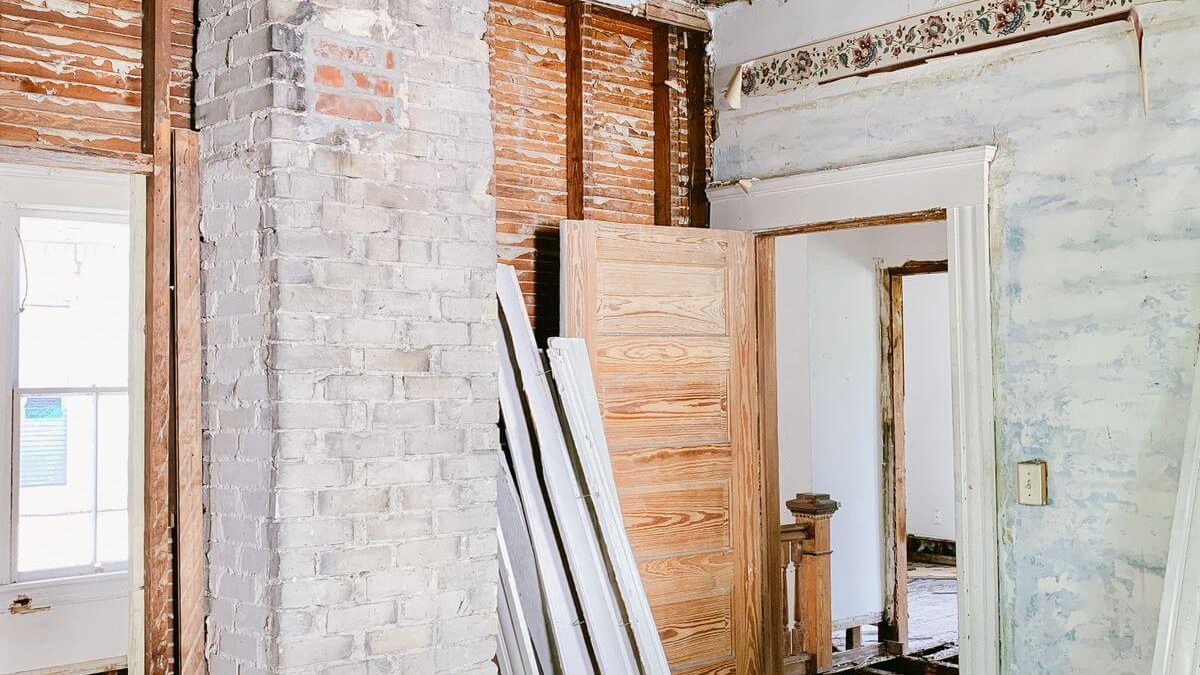


There is a distinct timeline of emotions when it comes to home renovations. It starts with pure excitement, browsing Pinterest, picking paint swatches, and finalising architectural drawings. Then comes demolition day, which feels thrilling and progressive.
But by week three, when you are washing your dinner dishes in the bathroom sink, tracking drywall dust into your bed, and stepping over stray power tools just to make a morning coffee, reality sets in.
Living on-site during a major home renovation can quickly push anyone to their breaking point. However, surviving a remodel doesn’t require you to live in absolute chaos. With a bit of strategic zoning and the right storage prep, you can preserve your sanity while your home transforms around you.
Establish a Sanctuary Zone
When your home is a construction zone, your brain lacks a quiet place to reset. The constant visual noise of exposed studs, drop cloths, and unfinished drywall triggers low-level stress.
Before the first hammer swings, designate one room as a strict construction-free sanctuary.
- The Rules: No building materials, no muddy boots, and no renovation discussions are allowed inside this room.
- The Setup: Usually a bedroom or a small living space, this zone should be kept completely clean, organised, and comfortable. When the chaos downstairs feels overwhelming, you need a door you can close to look at normal, tidy surroundings.
Relocate Your Belongings
One of the biggest mistakes homeowners make is trying to play musical chairs with their furniture. They move the living room sofa into the dining room, then shift it to the garage when the flooring crew arrives, and eventually slide it back into a half-finished hallway.
This constant shifting causes three major issues:
- High Risk of Damage: Furniture gets dinged, ripped, or deeply embedded with fine construction dust every time it is moved.
- Added Stress: You are constantly moving heavy items back and forth after a long day of work.
- Worker Bottlenecks: Contractors lose momentum if they have to spend their first 30 minutes moving their personal items out of their workspace.
Or you could utilise Extra Space Self Storage’s short-term storage solutions. This might be an easier option as you won’t need to worry about your furniture getting damaged. Moving your furniture and non-essential belongings into a temporary self-storage unit for 2–3 months keeps your investments safe from drywall silt, paint splattering, and accidental dents. Plus, it gives your contractors completely empty rooms to work in, which often speeds up the entire build timeline.
Master the Temporary Kitchen
If you are remodeling your kitchen, eating out or ordering takeaway for weeks on end gets incredibly expensive and physically exhausting. You need a functional, temporary cooking station set up in a utility room, garage, or hallway corner.
To keep your sanity intact while the main kitchen is gutted, use these survival tactics:
- Appliance Essentials: Pack away the stand mixer and the fancy gadgets. Keep out just four things: a microwave, a slow cooker, a kettle, and a mini-fridge. You can cook most normal meals with that exact combination.
- The Dishwashing Dilemma: Washing greasy frying pans in a shallow bathroom sink is frustrating. Buy a shallow plastic storage bin to use as a dedicated dish tub. Wash up using the bathtub faucet or utilise an outdoor garden hose station if the weather permits.
- The “One of Everything” Rule: To prevent a mountain of dirty dishes from piling up in your temporary space, give every family member exactly one bowl, one plate, one mug, and one set of cutlery. Wash them immediately after eating.
Fight the Drywall Dust Battle Proactively
Drywall can bypass closed doors, creep into closed closets, and settle inside your dresser drawers. Standard cleaning won’t keep up with it, so you have to block it at the source.
- Seal the Vents: If you have a central heating or air conditioning system, turn it off during heavy sanding days and tape plastic sheeting over the vents in the active construction rooms. Otherwise, your HVAC system will act as a dust distributor, blowing white powder into every corner of the house.
- Heavy-Duty Plastic Barriers: Don’t rely on thin, cheap dust sheets that flutter around when walked past. Use thick, builder-grade polythene sheeting and heavy-duty painter’s tape to completely seal off doorways leading from the construction zone to your living zones.
Pro Tip: Look for temporary zippered doorways (like a ZipWall system) at your local hardware shop. They tape directly onto your door frames and allow you to pass through easily while keeping dust securely trapped on the worker side.
The Light at the End of the Tunnel
Living through a renovation is a test of patience, but the disruption is temporary. By taking the time to pack away your valuables, protect your living spaces from dust, and carve out a small, peaceful sanctuary for your family, you can minimise the friction.
Also Read: How to Protect the Foundations of a Building
Keep your eyes on the final result. The dust will eventually clear, the tools will leave, and you’ll be left with the exact home you envisioned. For more information on self-storage, get in touch with Extra Space Self Storage today on 0800 622 6632.
Stay connected