


Buying a used car is a fantastic way to get the ride you want without the hefty price tag of a brand-new model. The pre-owned market is packed with amazing variety and value, but it’s also got its share of potential pitfalls. A smart approach means doing more than just kicking the tires; you’ll need to do some digging, inspect things carefully, and really understand what you’re looking for. Follow a few simple steps, and you’ll be well on your way to confidently finding a reliable vehicle that’ll serve you well for years.
Determine Your Needs and Budget
Before you even glance at a single listing, take a moment to think about what you actually need. How will you be using this vehicle? Is it for your daily commute, family road trips, or weekend adventures? Your lifestyle will pretty much decide if a fuel-efficient sedan, a roomy SUV, or a tough truck is the right fit. Jot down a list of your absolute must-haves, like all-wheel drive, a certain amount of trunk space, or specific tech features. When comfort is a priority, this guide to choosing the most comfortable vehicle at used car lots near you can also help you think about what to look for before making a decision.
Next up, figure out a realistic budget. This number should cover more than just the price tag on the car itself. You’ll need to factor in taxes, registration fees, insurance, and a little extra cash for any immediate repairs or maintenance. A common slip-up is spending every last penny on the purchase, leaving nothing for those inevitable costs that come with owning a vehicle. A well-thought-out budget will save you financial headaches later and help you narrow your search to options you can actually afford.
Consider Specialty Pre-Owned Options
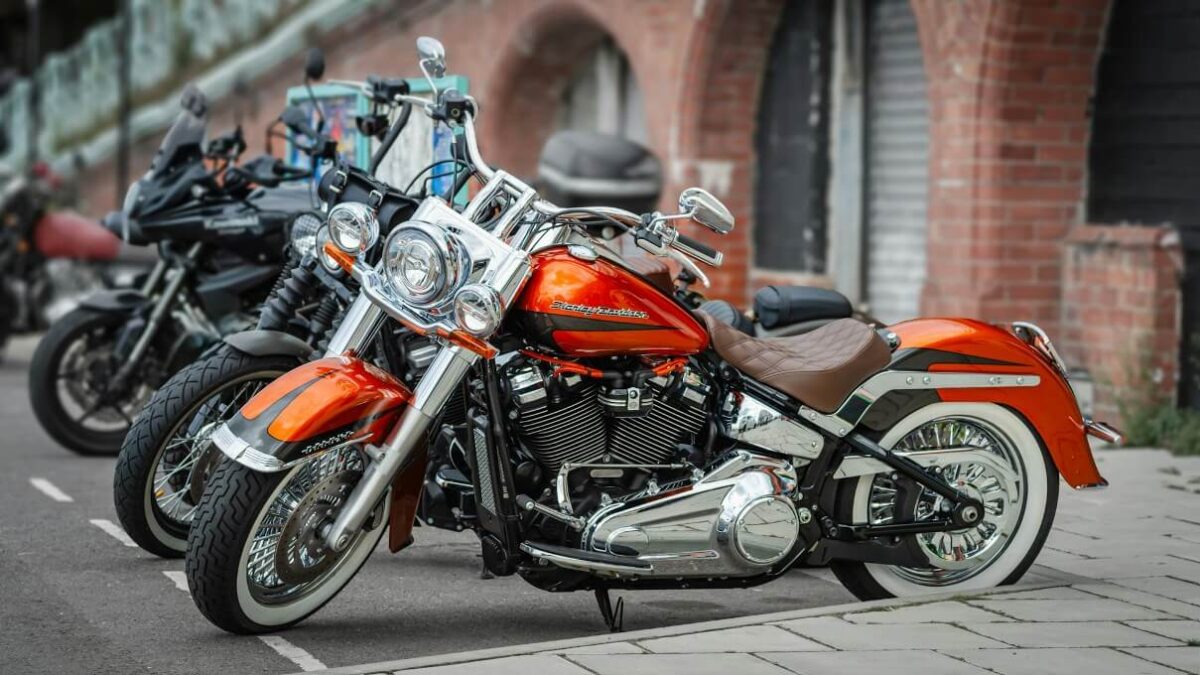
The used market isn’t just about cars and trucks, you know. Lots of folks find incredible deals on pre-owned specialty vehicles that perfectly match their hobbies and passions. We’re talking about things like camper vans for exploring the country or motorcycles for enjoying the open road. When you dive into these specific niches, the buying process needs a bit more of a focused approach.
For instance, if you’re looking to buy used Harley, you’ll be checking different things than someone buying a family minivan. You’d probably focus on engine hours, how it’s been customized, and any specific issues for that model year. Buying from a specialized dealer who really knows these vehicles can give you extra peace of mind and access to a carefully chosen inventory. No matter what kind of vehicle you’re after, understanding its unique market and what to look for during an inspection is key to making a smart buy.
Research Vehicle History Reports
Once you’ve spotted a potential vehicle, your next move is to dig into its past. A vehicle history report from a service like CarFax or AutoCheck is an absolute must-have. Using the Vehicle Identification Number (VIN), these reports can spill the beans on crucial info a seller might not mention. This includes things like accident history, title problems (like if it was salvaged or flood-damaged), old odometer readings, and sometimes even service records.
While a clean report doesn’t guarantee a perfect car, a report with red flags is a pretty clear signal to either be careful or just walk away. Think of it like a background check for your car. Going over this document helps you understand the vehicle’s story and avoid inheriting someone else’s problems. There are plenty of resources out there that explain how to find a safe and reliable used car by using these reports effectively.
Inspect the Vehicle Thoroughly
A vehicle history report tells you what’s on paper, but a physical inspection shows you what’s happening right now. If you’ve got some mechanical know-how, you can do an initial check yourself. Keep an eye out for obvious problems like rust, paint that doesn’t quite match (which could mean a past repair), or tires that are wearing unevenly. Test all the lights, try out the air conditioning, and look for any warning lights on the dashboard.
However, nothing beats a professional opinion. Always set aside some cash for a pre-purchase inspection (PPI) from a qualified, independent mechanic. For a reasonable fee, a mechanic can put the vehicle on a lift and spot issues you’d never see, like frame damage, fluid leaks, or worn-out suspension parts. This inspection report gives you a powerful tool for negotiation and the confidence that you’re not buying a car with hidden, expensive problems.
Negotiate and Finalize the Purchase
With your research and inspection report in hand, you’re ready to talk price. Use any issues found during the PPI to negotiate a lower price. If the car needs new tires or brakes, you can reasonably ask for the cost of those repairs to be taken off the asking price. Be polite but firm, and be ready to walk away if you can’t agree on a fair number.
When buying from a private seller, make sure the title is clean and ready to transfer. When buying a used car from a dealer, carefully review all the paperwork before you sign anything. Understand any warranties offered, double-check all fees, and confirm that the final price matches what you negotiated. A little diligence here ensures the last step of your purchase goes smoothly.
With careful research and a clear head, you can drive away with a fantastic used vehicle that fits your budget and your life. The effort you put in upfront will totally pay off with every mile you travel.
Stay connected