

Our ability to hear connects us to the world, enriching our experiences and relationships. Yet, unlike diet or exercise, hearing health often gets overlooked in our overall wellness routines. Protecting this vital sense is a lifelong commitment that significantly benefits cognitive health, social connection, and overall quality of life.
Why Hearing Protection Matters
Hearing loss often happens slowly, usually because of damage to the delicate hair cells inside the inner ear. Once these cells are damaged, they don’t grow back, meaning most noise-induced hearing loss is permanent. This isn’t just about the world sounding quieter; it deeply affects our well-being.
When you can’t follow conversations, it can lead to social withdrawal, frustration, and feeling isolated. Research also strongly links untreated hearing loss to a higher risk of cognitive decline and dementia. By actively protecting your hearing, you’re investing in your long-term mental and social health, making sure you stay engaged and connected to the people and activities you love.
Common Threats to Your Ears
The modern world is full of sounds that can harm our hearing. Damage depends on both how loud a sound is (measured in decibels) and how long you’re exposed to it. While one extremely loud event can cause immediate harm, it’s more common for repeated exposure to moderately loud sounds over time to be the problem. Some common threats include:
- Listening to music or podcasts through headphones at high volumes.
- Going to loud concerts, sporting events, or nightclubs without ear protection.
- Using power tools, lawnmowers, or snow blowers.
- Working in noisy places like construction sites, factories, or airports.
When you can’t avoid noise, using the right protection is essential. There are different types of hearing protectors, from simple foam earplugs to custom-molded options, that can significantly lower your risk of damage.
Signs You Should Check Your Hearing
Since hearing loss often develops slowly, you might not notice it right away. Catching the early signs is crucial for getting help quickly and preventing further decline. You should consider a professional check-up if you often find yourself:
- Asking others to repeat themselves.
- Feeling like people are mumbling.
- Needing to turn up the TV or radio volume higher than others prefer.
- Having trouble following conversations in noisy restaurants or group settings.
- Hearing a ringing or buzzing sound in your ears (tinnitus).
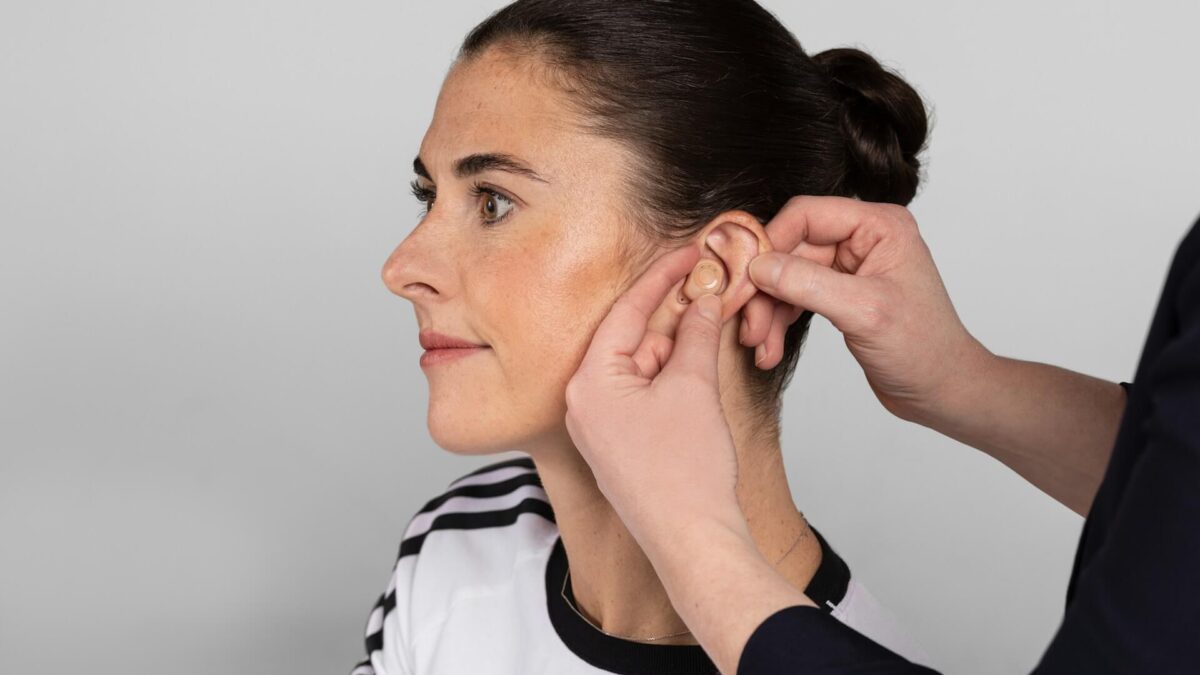
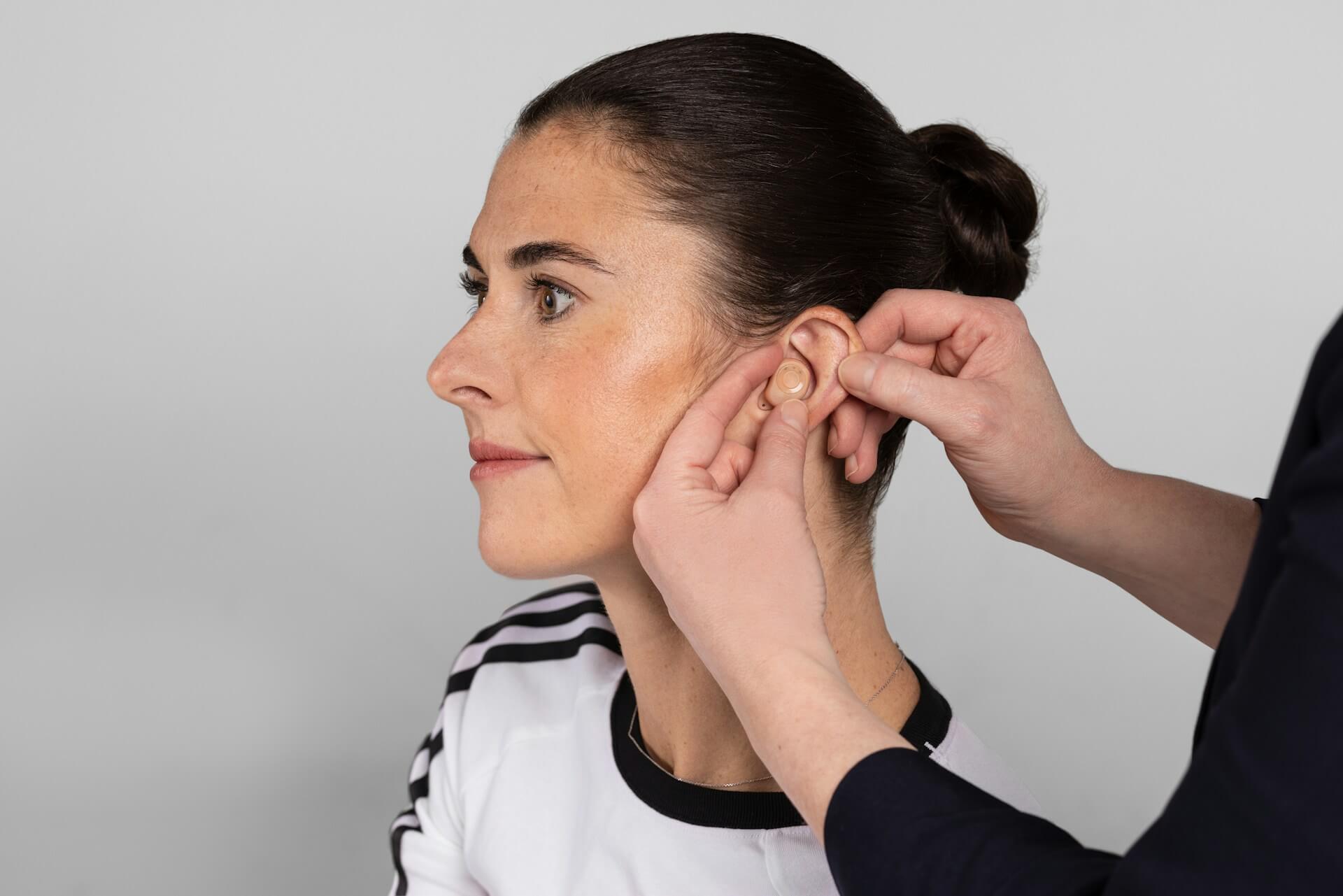
If these experiences sound familiar, a comprehensive hearing evaluation can pinpoint the type and extent of any loss. An audiologist can then discuss suitable interventions. For many, a key question becomes: are two hearing aids better than one?, as using both ears often provides a more natural and balanced sound experience, improving speech clarity and the ability to locate sounds.
Preventative Measures for All Ages
It’s never too early or too late to start habits that protect your hearing. For children and teenagers, the focus should be on teaching safe listening practices. Encourage them to follow the 60/60 rule: listen with headphones at no more than 60% of the maximum volume for no more than 60 minutes at a time.
For adults, awareness is the first step. Keep disposable earplugs in your car or bag for unexpected noisy situations. When you know you’ll be at a concert or using loud machinery, wear properly fitted ear protection. Give your ears regular breaks from noise by stepping into a quiet space for a few minutes every hour. These small, consistent actions can make a huge difference over a lifetime.
Integrating Ear Care into Wellness
Just as you schedule annual physicals and dental cleanings, make hearing health a regular part of your wellness strategy. Think of it as preventative maintenance for one of your most important senses. A baseline hearing test in your 30s or 40s can provide a valuable reference point for the future. For those over 50 or with regular noise exposure through work or hobbies, an annual check-up is a smart investment. By treating ear care with the same importance as other aspects of your health, you actively support your long-term vitality and connection to the world around you.
Taking a proactive stance on your hearing health ensures you can continue to enjoy the sounds that matter most, from conversations with loved ones to the quiet beauty of nature, for years to come.
Stay connected