
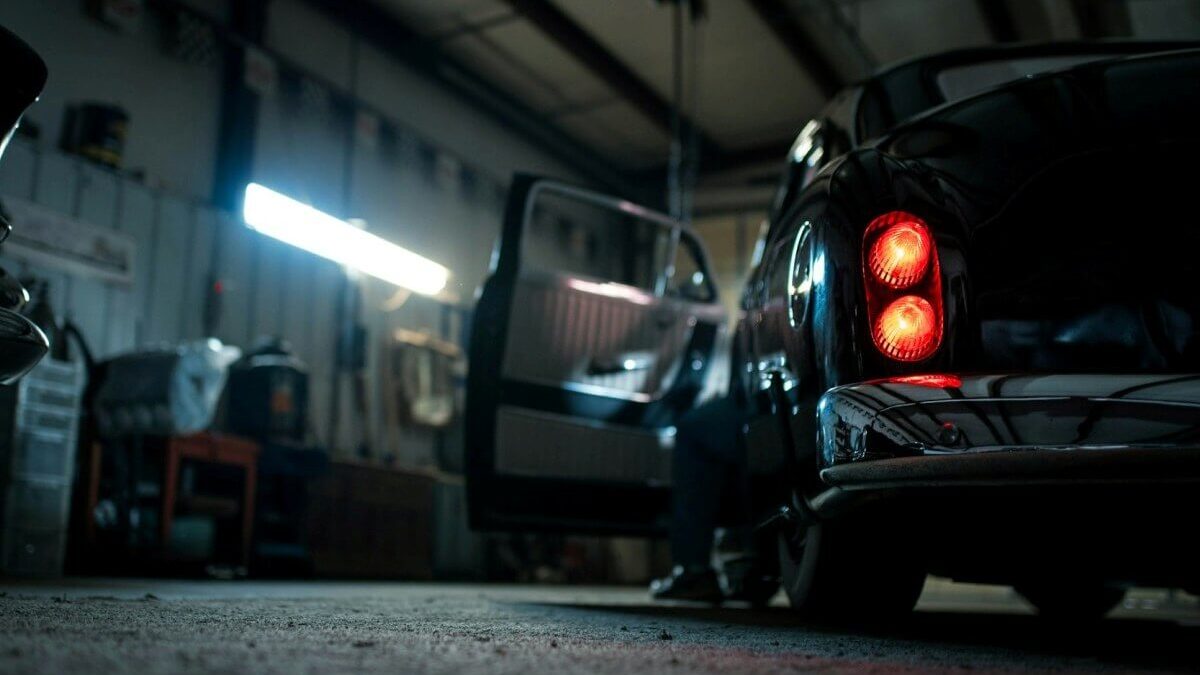

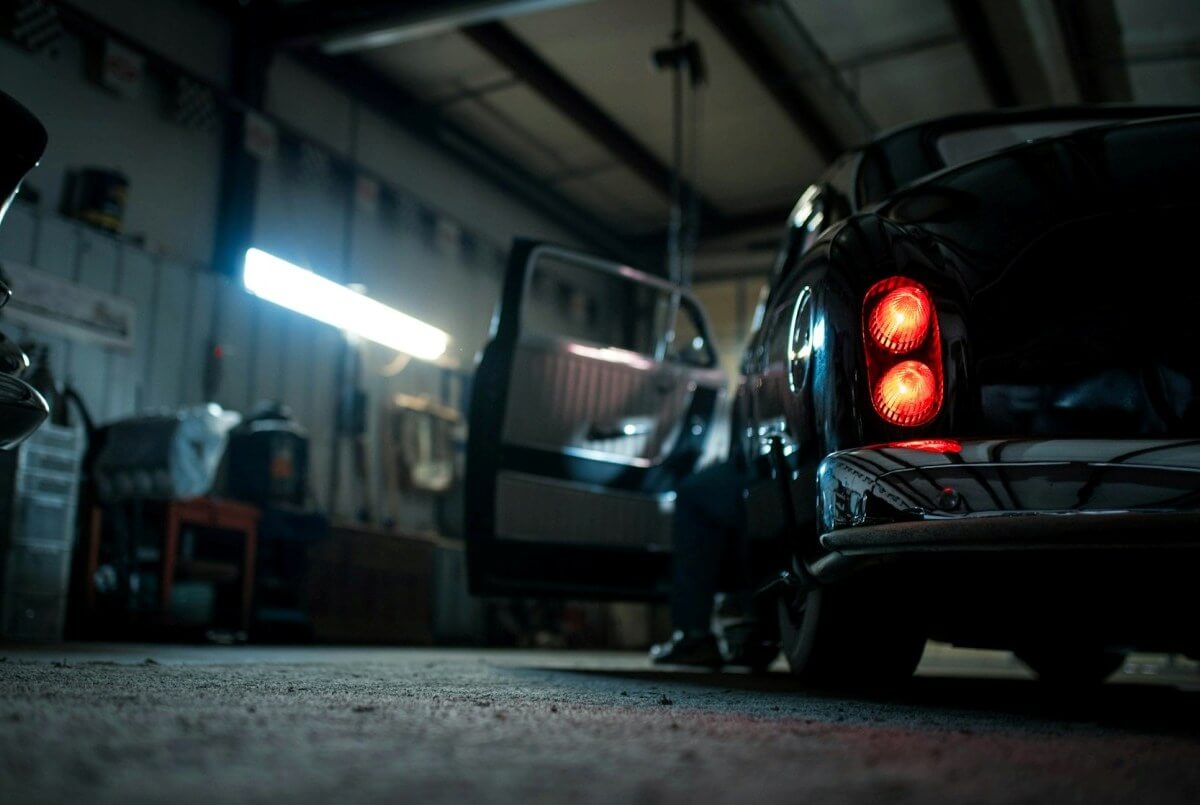
A classic car project works best when you turn a broad ambition into a clear, manageable plan. The right model should fit your taste, mechanical ability, available space, and budget. Taking time to define those limits early can prevent an exciting purchase from becoming an unfinished project. It also gives you room to appreciate the research, ownership experience, and small improvements that make classic motoring so rewarding.
Defining Your Automotive Vision
Start by writing down how you expect to use the car. A vehicle intended for relaxed weekend drives may need dependable mechanicals and comfortable seating, while a show-focused project may call for period-correct finishes and detailed restoration work. Be honest about how much hands-on work you want to do.
Set three priorities, such as a preferred decade, body style, and level of originality. Then identify your acceptable compromises. You might accept faded paint if the body is solid, for example, but reject a car with incomplete paperwork or extensive corrosion. This short list keeps attractive listings from distracting you from the project you actually want.
Researching Your Ideal Classic
Narrow your search to two or three models, then study their common faults, parts availability, and ownership communities. Check completed sales where possible since asking prices don’t always reflect what buyers pay. Restoration shops, owners’ clubs and model-specific forums can also reveal which trim pieces or mechanical components are difficult to source.
The same principles behind buying a used vehicle apply when comparing classics: define your needs, set a realistic budget and inspect each car carefully before committing. When you’re ready to compare classic cars for sale, evaluate each vehicle against the same written criteria. Request clear photographs of the underside, interior, body seams, and identification plates.
Budgeting for Your Dream Vehicle
Set a total ownership budget before deciding how much to spend on the car itself. The purchase price is only one part of the calculation. Transport, registration, taxes, insurance, and an initial inspection can add a meaningful amount before the first recreational drive.
Keep a repair reserve for immediate needs such as old tires, tired seals, or cooling system service. For a $25,000 car, reserving 10 to 20 percent offers a practical starting point, though an unfinished project may require far more. Get estimates for major work before committing, and leave room for price changes when rare parts must be rebuilt or sourced from specialist suppliers. A detailed spreadsheet makes those trade-offs easier to see.
Planning for Maintenance and Storage
Arrange suitable storage before bringing the vehicle home. A dry, secure garage with steady ventilation helps limit moisture damage and protects paint, upholstery and electrical connections. If indoor space is unavailable, investigate a reputable storage facility and ask about access, security, climate control and battery charging policies.
Create a maintenance calendar based on time as well as mileage. Classic cars may cover few miles while fluids, hoses and rubber components continue to age. Practical classic car maintenance tips include checking fluid levels, tire condition and signs of leaks. Keep dated records for every inspection, repair and part purchase since this history helps with future servicing and valuation.
Enjoying the Drive and the Process
Give the car regular, sensible exercise once it’s safe and road-ready. Short local drives help you learn its steering feel, braking behavior, and normal operating sounds without placing you far from home. Check the gauges during each outing, then look underneath the car afterward for fresh drips or loose components.
Resist the urge to correct every cosmetic flaw immediately. A season of driving often reveals which upgrades genuinely improve reliability and comfort. It may also show that a worn seat or weathered finish adds character you want to preserve. Keep a small logbook in the glove compartment for mileage, observations, and completed work. Over time, those notes become a useful record of the car’s evolving story.
Stay connected