

A valuable home combines appealing updates with consistent care. Buyers notice fresh finishes and usable outdoor areas, but they also look closely at the roof, plumbing, and other systems that can produce expensive surprises. Spend first on projects that protect the structure or improve everyday function, then consider cosmetic changes. This order helps you enjoy the results now while supporting a stronger resale price later.
Boosting Your Property Value
Focus on improvements that address a visible weakness or make a frequently used room more practical. Kitchen cabinet hardware, updated lighting, and fresh neutral paint can modernize a space without requiring a full remodel. Larger projects should fit the home and neighborhood since highly customized features may have limited appeal to future buyers.
These value-adding home improvements include projects at several price points. Before committing, compare at least three estimates and ask what preparation, materials, and cleanup each quote covers. If your budget is modest, explore these budget-friendly home improvement projects for practical upgrades that can still make a noticeable difference.
Essential Maintenance for Longevity
Create a seasonal maintenance calendar so small defects don’t become structural problems. Clean gutters in spring and fall, replace heating and cooling filters as directed, and inspect visible plumbing connections every few months. A slow leak beneath a sink can damage the cabinet and floor long before water reaches an obvious area.
Outdoor comfort deserves a place on that calendar too. Remove standing water from containers, clear clogged drainage areas, and trim dense vegetation near patios. Homeowners exploring longer-lasting options for keeping mosquitoes out of the backyard should compare product directions, treatment areas, and maintenance schedules carefully. Follow every label instruction and store products securely.
Enhancing Outdoor Appeal
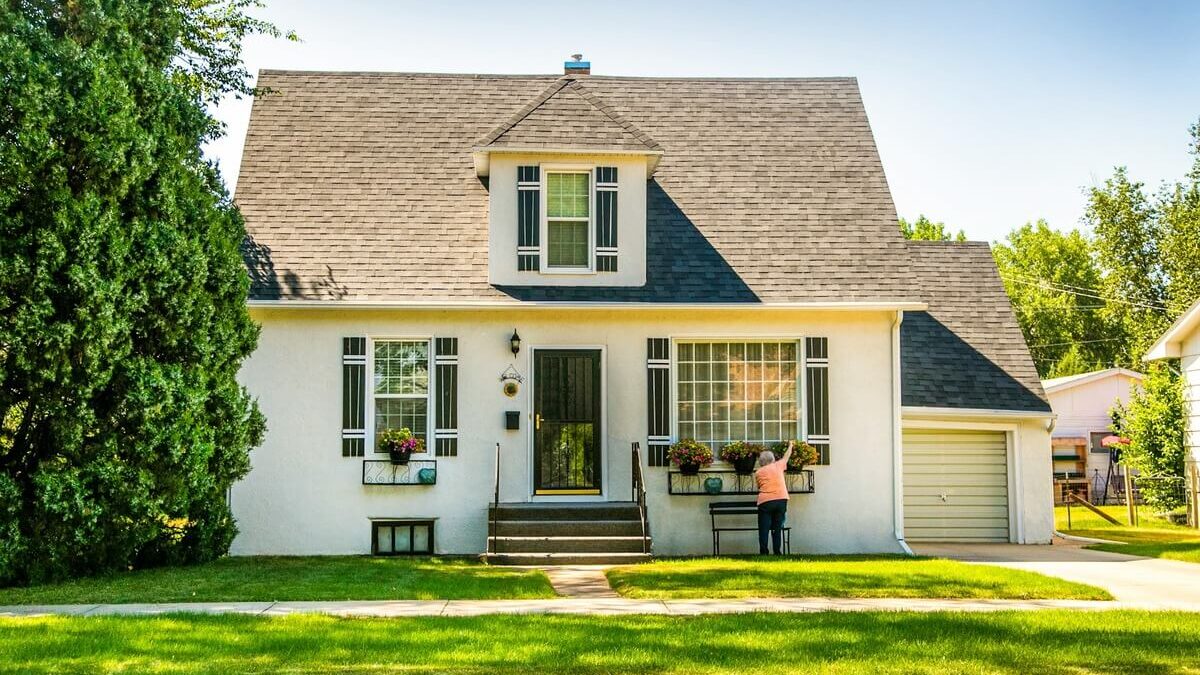
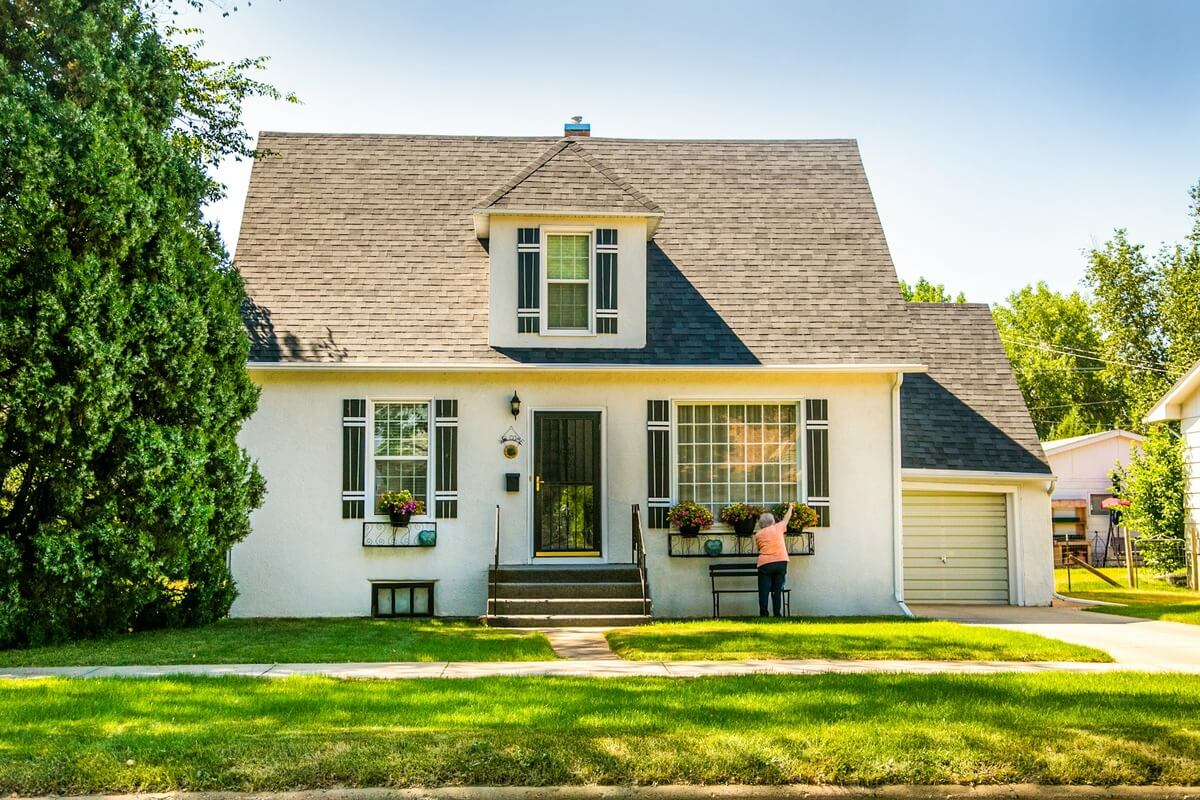
A neat entrance shapes a visitor’s first impression before they step inside. Wash the walkway, repair loose steps, and repaint a worn front door in a color that works with the exterior. Use low-maintenance plants suited to your climate, then apply mulch to control weeds and give beds a finished appearance.
Keep the yard functional as well as attractive. Define a sitting area with level pavers, add lighting along commonly used paths, and prune branches that block windows. Avoid filling every open space with permanent features because future owners may want room for children, pets, or gardening. These home value tips also emphasize curb appeal and routine upkeep as practical priorities.
Protecting Against Common Threats
Water causes some of the most costly household damage, so inspect the places where it commonly enters. Check the roof after severe weather, look for gaps around exterior openings, and confirm that soil slopes away from the foundation. Downspouts should release water far enough from the house to prevent pooling near walls.
Safety improvements also protect the property’s long-term value. Test smoke and carbon monoxide alarms monthly, replace expired units, and keep electrical panels accessible. If lights flicker or outlets feel warm, contact a qualified electrician instead of attempting a temporary fix. Document inspections and repairs with dated photos, receipts, and contractor information. Clear records help you track recurring trouble and can show future buyers that the home received regular care.
Long-Term Financial Benefits
Set aside money each month for predictable home expenses. A reserve equal to 1% to 3% of the property’s value per year is a common starting estimate, though an older roof or aging heating system may justify a larger amount. Keeping repair funds separate from everyday spending makes urgent work less likely to end up on high-interest credit.
Review completed projects once a year and update your home inventory with model numbers, warranties, and photographs. When replacement time arrives, look at operating costs as well as the purchase price. Efficient appliances, durable flooring, and properly sized climate-control equipment may cost more initially but can reduce recurring bills and early replacement. The strongest investment plan leaves you with a comfortable home that remains easy to maintain and clearly cared for.
Stay connected