


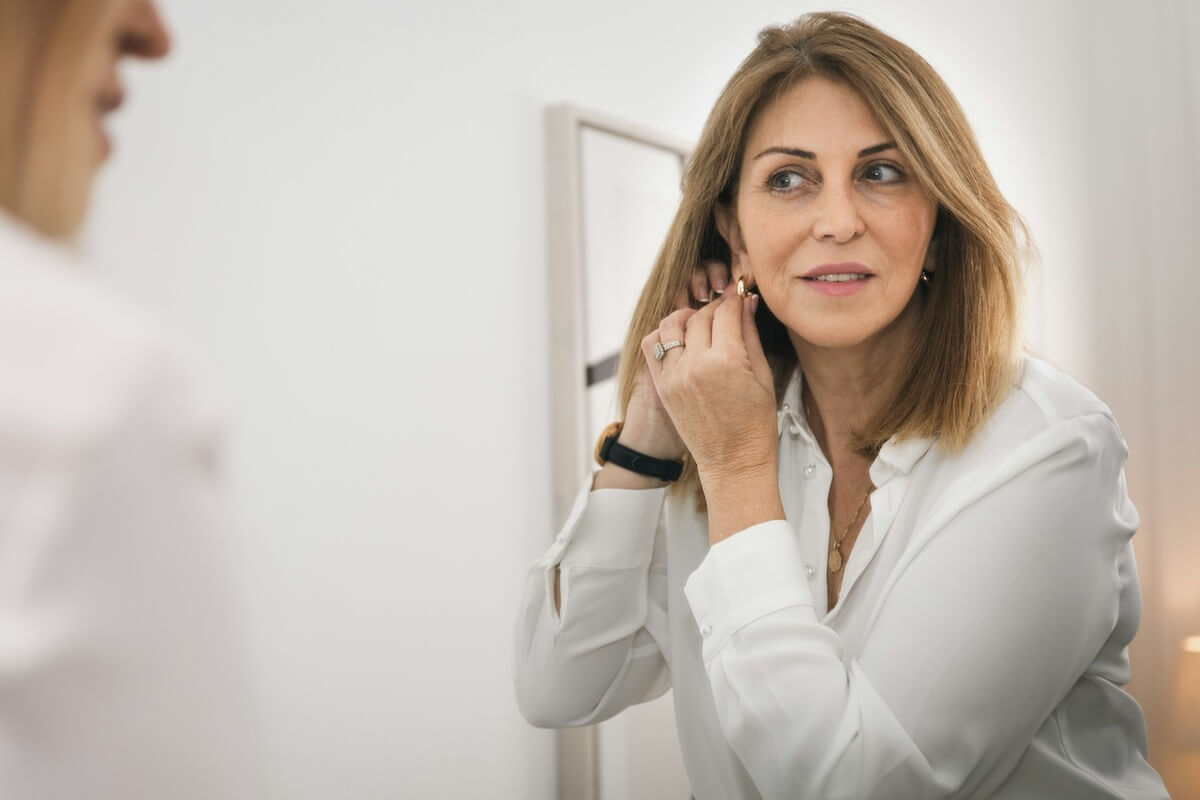
Aging brings visible changes, shifting priorities, and fresh opportunities to care for yourself in more meaningful ways. Confidence may look different at 50, 60, or 70 than it did at 30, but it can grow stronger with experience. When you focus on practical habits, supportive relationships, and realistic expectations, getting older becomes a stage of life you can approach with curiosity and self-respect.
Redefining What Aging Means Today
Age once came with a narrow set of expectations about appearance, work, and lifestyle. Those expectations are changing as people remain active in their communities, start new careers, and develop new interests later in life. A realistic view of aging gracefully accounts for changes in both body and mind while recognizing that each person’s experience is different.
Consider what a satisfying life looks like for you now. You may value an adaptable work schedule, regular time with family, or the freedom to take a class that once seemed impractical. Personal goals can change without becoming less meaningful. Treating age as useful context, rather than a limit, leaves room for growth.
Physical Changes and Self-Image
Gray hair, changing skin texture, and shifts in body composition are normal, yet they can still affect how you see yourself. Give yourself time to adjust and choose grooming or style changes that feel authentic. Clothing that fits your current body, an updated haircut, or a simple skin care routine can make daily preparation more enjoyable.
Some changes deserve professional attention. Persistent shedding, a widening part, or visible thinning may have several causes, including hormonal changes, stress, and certain health conditions. If you’re experiencing women’s hair loss, a clinical evaluation can help identify the pattern and clarify which treatment options may be appropriate. Start with a qualified provider who can discuss likely causes, available approaches, and realistic expectations before recommending a procedure.
Wellness Strategies for Longevity
Build your wellness routine around actions you can repeat. Aim for regular movement that includes aerobic activity, strength work, and balance exercises. A brisk 20-minute walk may fit into a busy day, while lifting manageable weights twice a week can support muscle strength. If pain, dizziness, or a chronic condition affects exercise, ask a healthcare professional what’s appropriate for you.
Practical healthy aging tips emphasize sleep, nutrition, and mental well-being. Keep consistent sleep and wake times, drink water throughout the day, and build meals around vegetables, fruit, whole grains, and protein. Schedule routine medical visits too. Blood pressure checks, vision exams, and recommended screenings can identify concerns before they begin interfering with everyday life.
The Role of Self-Care in Confidence
Self-care works best when it responds to a genuine need. Ten quiet minutes before the household wakes up may help you feel centered, while an evening stretching routine can ease stiffness after a long day. Personal care appointments, comfortable clothing, and regular social plans can also support confidence because they help you feel prepared and connected.
Pay attention to the way you speak about your appearance and abilities. If you wouldn’t make a harsh comment about a friend’s wrinkles or slower pace, don’t direct it at yourself. You can acknowledge frustration without turning one change into a judgment about your whole life. On difficult days, choose one supportive action, such as calling a friend, preparing a nourishing meal, or going outside for fresh air.
Building a Positive Outlook for the Future
A positive outlook grows from having people, activities, and plans that give your weeks structure. Put social time on the calendar before isolation becomes a habit. A monthly lunch, volunteer shift, or community class creates regular contact and gives you something specific to anticipate. Learning also supports confidence, especially when you can see your progress in a language lesson, craft project, or digital skill.
Optimism can coexist with concern about health, family, or independence. The goal is to notice what remains within your control and ask for help when a problem exceeds it. Finding practical ways of staying positive about aging can help you focus on growth, connection, and the parts of later life you can still shape.
Your next chapter can include changed routines, new forms of confidence, and a clearer sense of what deserves your time. Let your choices reflect the person you are now, including the experience and self-knowledge that only age can bring.
Stay connected