
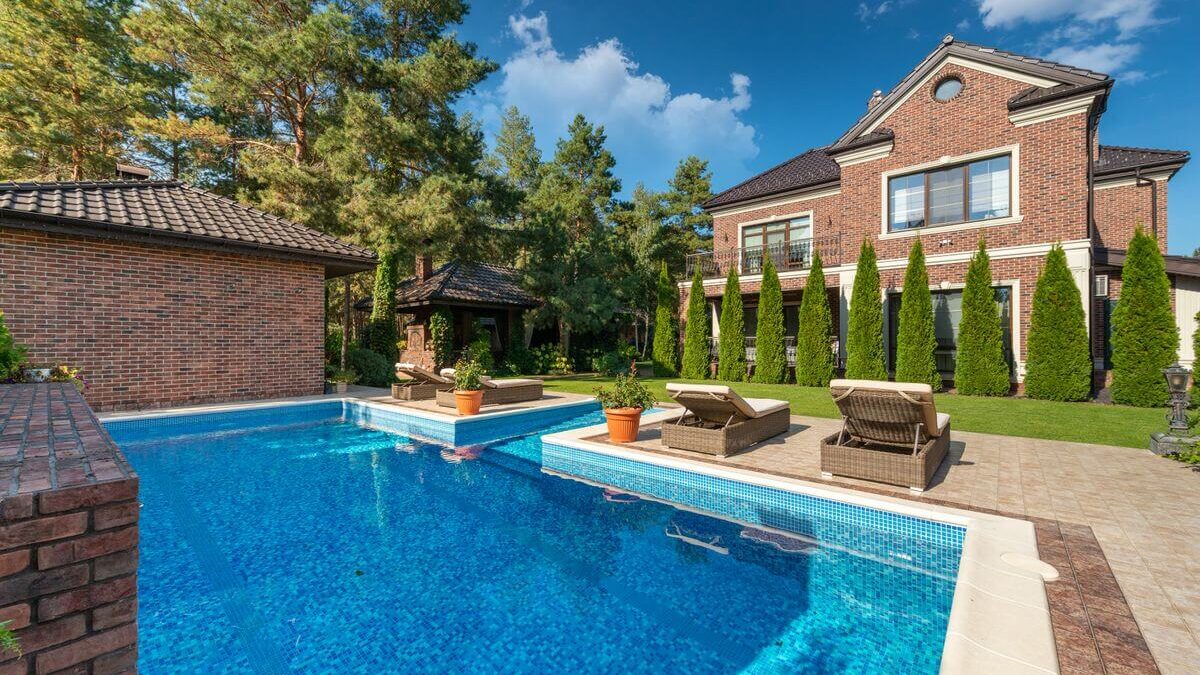

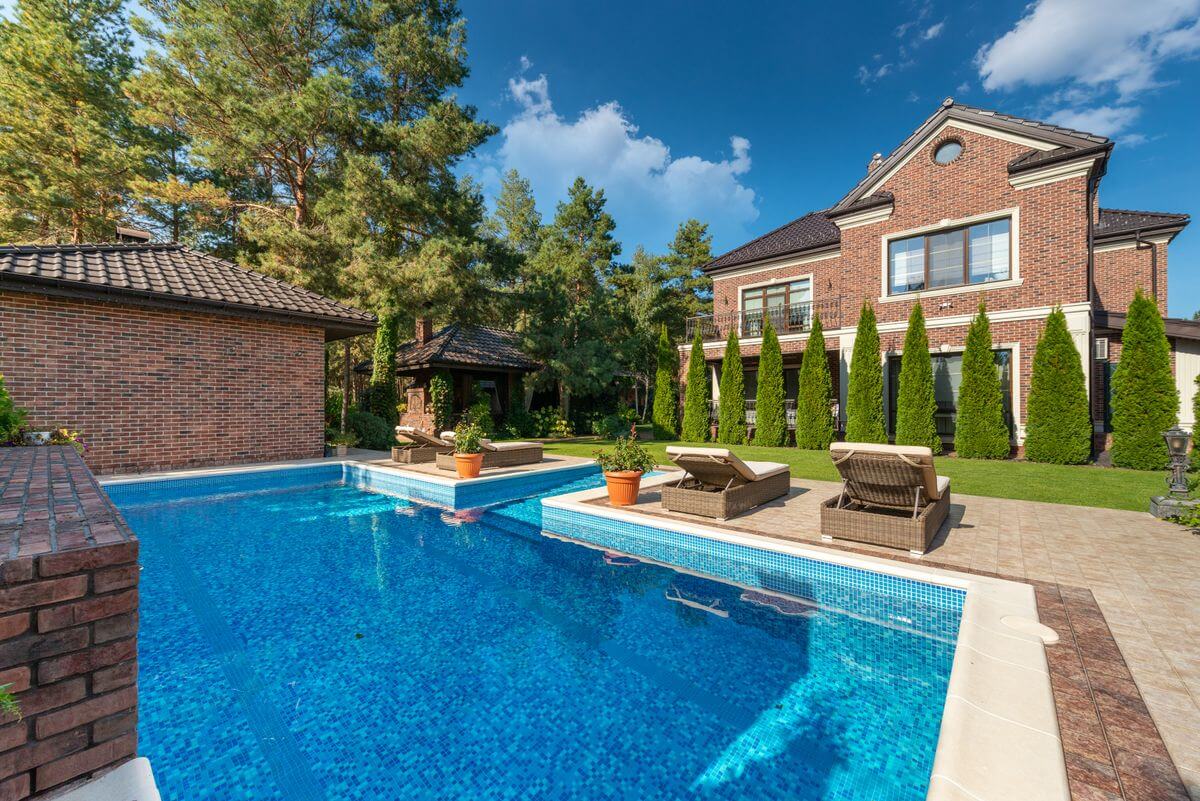
A permanent water feature can transform a backyard, but its long-term performance depends heavily on where and how it is installed. Ponds, fountains and swimming pools all place demands on the surrounding soil, drainage and services. Seasonal shade can also affect water temperature, plant growth and maintenance.
Before settling on a design, assess the entire yard as a working space. Established trees, retaining walls, access paths and nearby buildings may all influence the safest and most practical position. Early site checks can prevent drainage problems, unexpected excavation costs and a feature that’s difficult to maintain.
Soil Stability and Ground Grading
Start by checking whether the proposed area contains firm, undisturbed soil or loose fill from earlier landscaping or construction. Filled ground can settle unevenly, placing stress on rigid structures and connected plumbing. Cracks in nearby paving, leaning fences and low patches that remain wet after rain may indicate movement or poor compaction.
Ground grading matters as well. Surface water should flow away from the feature and nearby buildings, without entering the water during heavy rain. A qualified contractor can measure site levels and identify any need for engineered drainage, retaining structures or soil testing. Discussing these conditions with pool builders during the planning stage can help you understand how slope, access and excavation may affect placement. For further ideas on creating a practical outdoor layout, explore this guide to smart outdoor space design for longevity.
Sun Exposure Across Different Seasons
Observe the yard at several times of day before choosing a position. Summer sun paths can differ greatly from winter conditions, particularly where neighbouring buildings or mature trees cast long shadows. A sunny position may suit some water plants and help warm a swimming area, though constant exposure can also increase evaporation and algae growth.
Shade brings its own maintenance considerations. Overhanging trees drop leaves, pollen and small branches into the water, while invasive roots may complicate excavation. These backyard water feature ideas show how scale and garden context influence design choices. Record sun and shade at 9 am, midday and 3 pm during different seasons, then compare those observations with how you expect to use the space.
Planning Access and Equipment Locations
Arrange a site inspection before committing to a shape or exact location. A professional can assess machinery access, spoil removal and the distance between the proposed feature and existing structures. Narrow side passages or raised garden beds may limit excavation equipment, leading to longer construction times and higher labour costs.
Ask for an explanation of likely drainage routes, equipment locations and maintenance access. Pumps and filters need enough room for servicing, while surrounding paving should provide safe movement without crowding the yard. It also helps to mark the proposed footprint with stakes or temporary paint. Live with that outline for several days and check how it affects doors, clotheslines, outdoor dining areas and established garden paths.
Navigating Underground Service Lines
Never assume an open section of lawn is clear below the surface. Electricity, gas, water, communications and drainage lines may cross the yard in unexpected places, particularly if the property has been renovated or extended. Records offer a useful starting point, but on-site detection may still be required before excavation begins.
Confirm service locations through the relevant utility enquiry system and use qualified technicians where needed. Also check private lines running to sheds, irrigation systems, outdoor lighting and rainwater tanks, as these may not appear on public plans. Good water feature placement should leave practical clearance for inspection and future repairs. If a service must be relocated, include that work in the budget and schedule before finalising the design.
A suitable backyard position should remain practical long after construction finishes. Mark the footprint, watch how rainwater moves across it and confirm what lies underground before approving the plan. Those checks provide a much clearer picture of the site than appearance alone, especially when seasonal shade and restricted access could affect everyday use.
How to Choose the Best Location for a Backyard Pool
Stay connected