

Public safety begins with everyday design choices that help people move through streets, parks, and transit areas without preventable hazards. Clear sightlines, dependable lighting, and well-maintained walking surfaces all affect how comfortable and secure a place feels. City agencies and property managers can improve conditions by reviewing public areas from a user’s perspective, then addressing small defects before they become serious risks. This work requires coordination across planning, maintenance, and emergency response teams.
Designing Safer Public Spaces
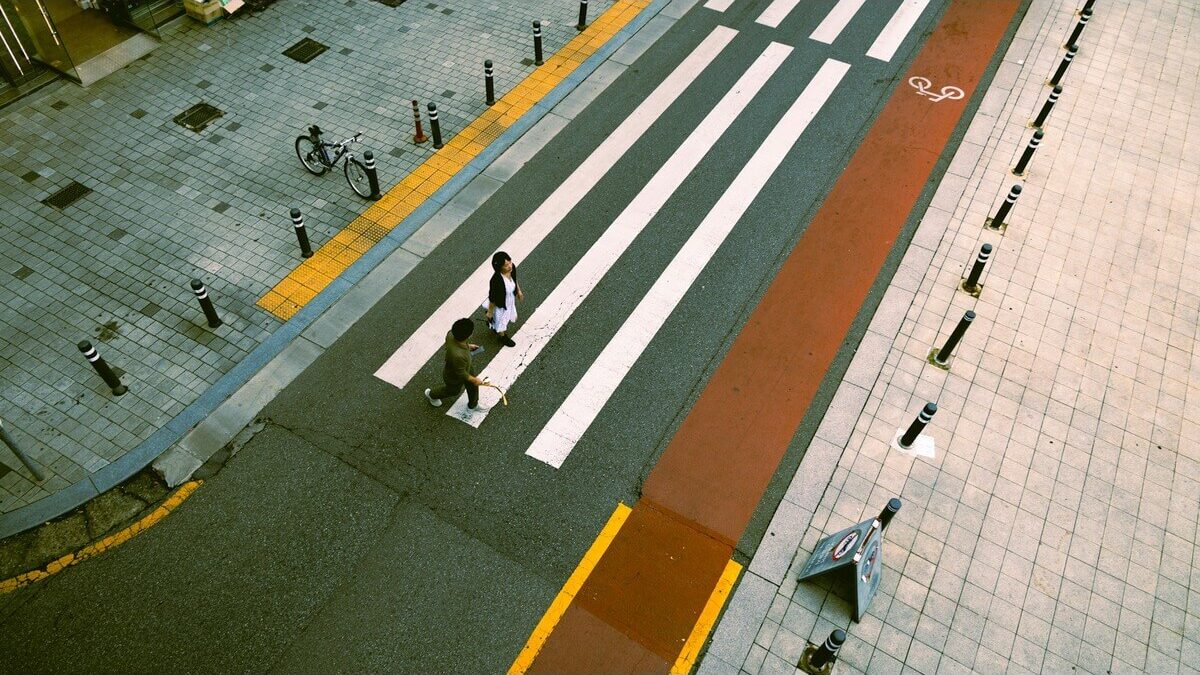
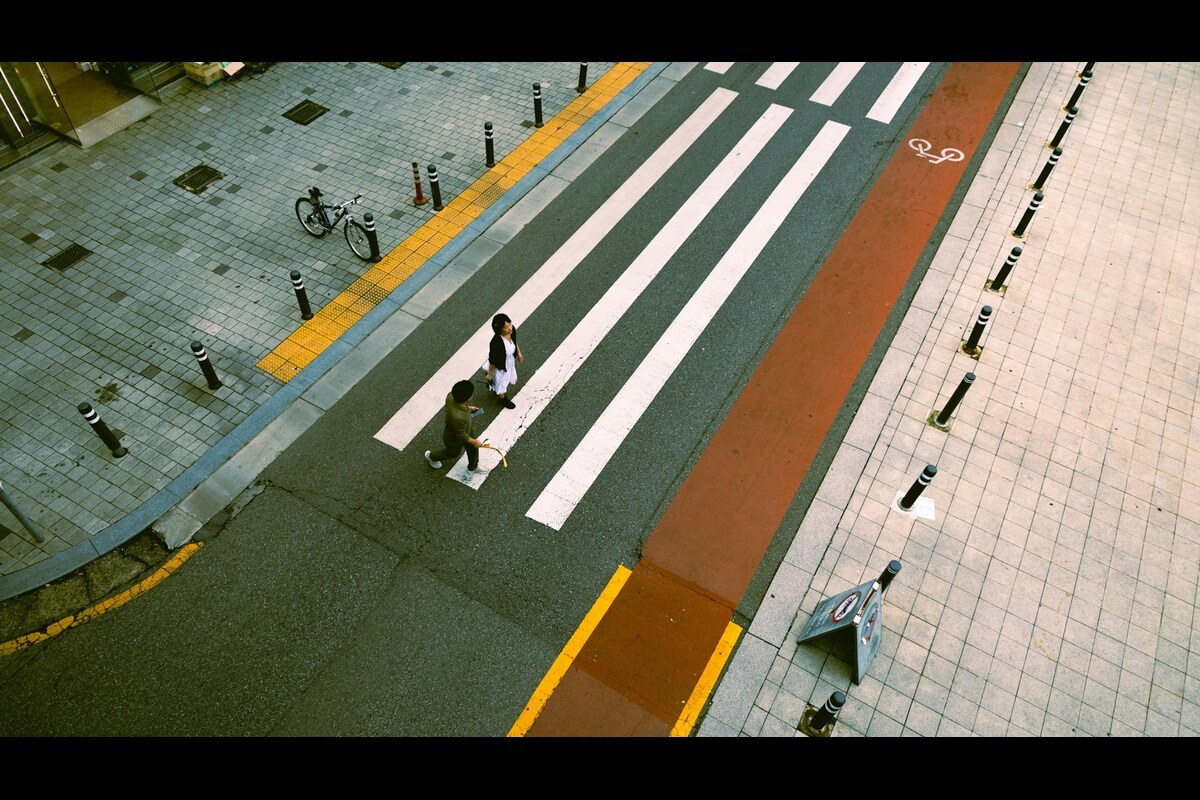
Good public-space design supports visibility and predictable movement. Trees and signs should not block views at intersections, while paths need clear boundaries that guide pedestrians away from vehicle traffic. Benches, lighting and waste bins should sit where they’re useful without narrowing accessible routes.
Several proven urban planning strategies focus on visibility, controlled access and the separation of different types of traffic. For example, a busy plaza can use planters to define its edge while preserving open views across the space. Designers should also observe an area at different times. A walkway that feels clear at noon may have dark corners or confusing routes after sunset.
The Role of Infrastructure Quality
Urban infrastructure needs regular attention because wear often develops gradually. A loose grate, cracked sidewalk, or uneven access point can create a tripping risk long before anyone files a report. Maintenance teams should inspect high-traffic areas after severe weather, construction work, and major public events.
When damaged underground access points require replacement, municipalities and contractors should choose properly sized manhole frames and covers that suit the site and expected traffic conditions. Correct fit matters because movement, gaps and surface differences can affect pedestrians, cyclists and vehicles. Inspection records should include photographs, defect severity, and a repair deadline. That simple documentation helps departments prioritize urgent work and confirm that crews completed each repair.
Mitigating Risks in Public Areas
Risk reviews work best when they consider how people actually use a location. At a transit stop, inspectors might examine lighting, curb condition, drainage, and the distance between seating and the boarding area. In a park, they may check path visibility, damaged fixtures, and access for emergency personnel.
Public reporting also gives maintenance teams valuable information between scheduled inspections. A clear online form should allow residents to identify the location, describe the hazard, and upload a photo. Agencies can then assign response targets based on severity. Standing water near an electrical fixture calls for immediate action, while faded pavement markings may fit into planned maintenance. Temporary barriers and clear signs should remain in place until crews resolve hazards that cannot be repaired at once.
Beyond Visible Security Measures
Some of the most effective safety practices operate behind the scenes. Staff training, communication plans, and accurate asset records determine how quickly an organization responds when conditions change. Practical urban safety strategies also include preparedness, hazard awareness and clear procedures for handling incidents. That same principle applies to choosing site safety equipment based on actual hazards, rather than relying on a generic checklist that may overlook the risks present in a specific location.
Public agencies and site operators should keep current contact lists for utilities, maintenance crews, and emergency services. Teams also need periodic drills based on realistic situations, such as a power failure in a parking structure or flooding that closes a pedestrian route. After each exercise, managers should record where communication slowed and assign specific corrections.
A safe urban environment depends on details staying dependable over time. When inspection logs trigger prompt repairs and response plans reflect real site conditions, public spaces remain easier to use through changing weather, traffic levels, and daily wear.
Stay connected