
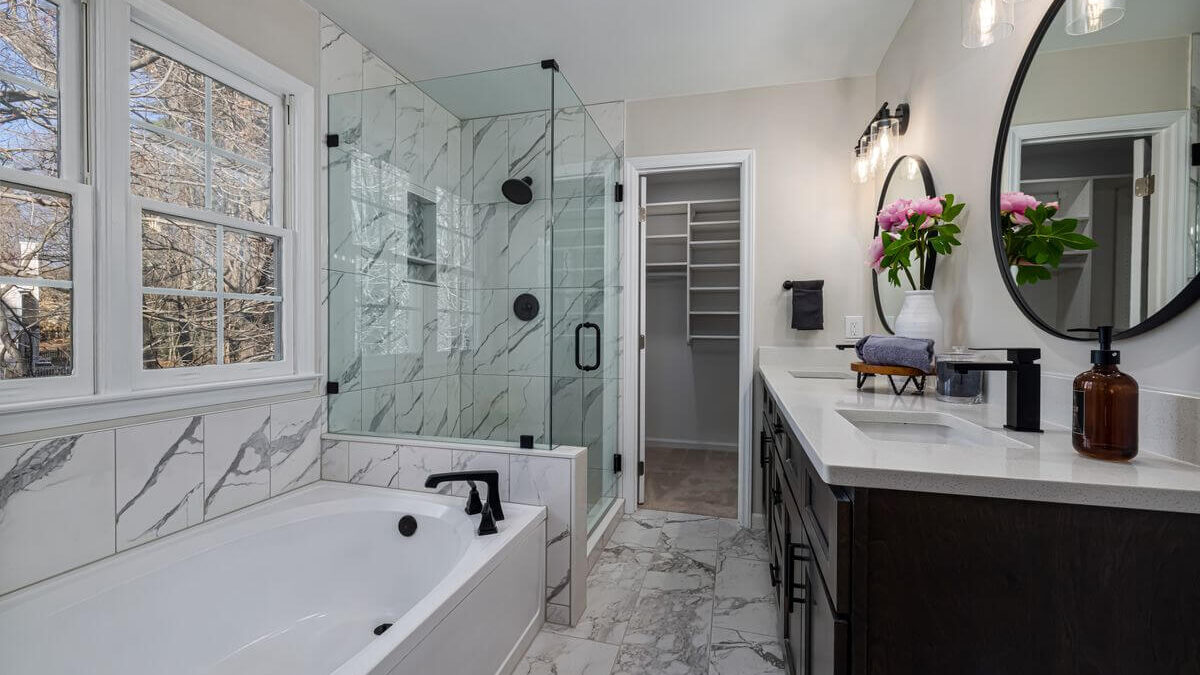

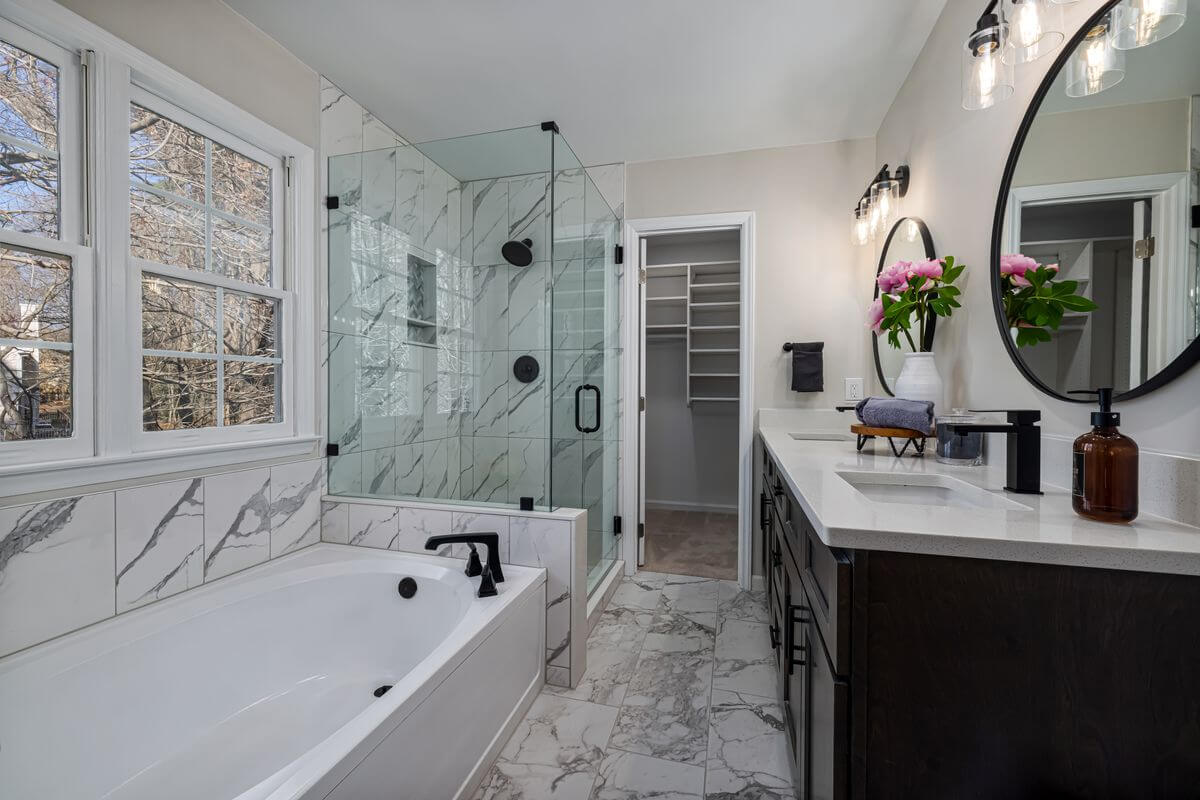
A dream bathroom does not necessarily come from having a large space or filling the room with expensive features. It is usually the result of making a series of thoughtful choices that suit the way you actually live. From the first sketch of the layout to the final choice of handles, each detail can influence how the room looks, feels, and functions.
For a more seamless approach, a Fully Fitted Bathroom can bring the major elements of the room together as one considered design. However, even before choosing fittings or finishes, it is worth stepping back and thinking about what you want the bathroom to achieve. Do you want somewhere bright and energising in the morning, a calming retreat at night, or simply a practical space that works effortlessly for the whole household?
Begin With the Feeling You Want
Before choosing tiles from a sample board, think about the atmosphere you would like to create.
A bathroom designed around relaxation may benefit from warm neutrals, soft lighting and natural-looking materials. A more contemporary space might suit sharper lines, understated colours and sleek fittings. Starting with the overall mood gives you a clear direction and makes later decisions much easier.
It also prevents the room from becoming a collection of unrelated trends. When there is a clear design intention from the beginning, individual features have a stronger relationship with one another.
Let the Room Dictate the Layout
The dimensions and shape of your bathroom should guide the layout rather than forcing a particular arrangement into the available space. Consider where natural light enters, where plumbing is already positioned, and how people will move between the main areas.
A practical layout should leave enough breathing room around the toilet, basin, bath and shower. Door swings, storage access and shower screens also deserve attention because these seemingly small details can have a significant effect on everyday comfort.
The Choices That Shape the Room
Some decisions deserve more attention than others because they influence both appearance and usability.
- The main focal point: Decide whether the bath, shower area, vanity or a particular wall will provide the visual focus. This gives the room a stronger sense of direction.
- The balance of finishes: Combining too many competing materials can make a bathroom feel unsettled. Choose a primary finish and introduce contrasting textures or patterns selectively.
- The amount of visual space: Keep the layout open where possible, particularly around the floor and main circulation areas. This can make the room feel calmer and easier to use.
What Should Your Tiles Say About the Space?
Tiles can quietly establish the personality of the entire bathroom. A stone-effect finish can create a softer, natural atmosphere, while geometric patterns or richer textures can introduce a more contemporary character.
There is no need to use the same tile everywhere. A larger, understated tile can work beautifully across the main walls, while a more distinctive finish can define a shower enclosure or vanity wall. Thinking in terms of layers rather than uniformity can give the room considerably more depth.
Colour Is About More Than Appearance
The right colour palette can affect the atmosphere of the room as much as the furniture and fittings. Pale shades can help create an airy impression, while earthy colours can make a bathroom feel warmer and more grounded.
If you enjoy stronger colours, they do not need to dominate every surface. A deeper shade through cabinetry, a feature wall or accessories can provide contrast while allowing the rest of the room to remain balanced.
Give Your Storage a Proper Role
Beautiful bathrooms can quickly become cluttered when storage has not been considered properly. Bottles, towels, cleaning products, and everyday essentials all need a place, and leaving them scattered across the room can undermine even the most carefully planned design.
Instead, treat storage as part of the architecture. Vanity units can combine useful storage with a strong visual feature, while recessed shelves can make use of otherwise overlooked wall space. The best solutions are those that keep frequently used items accessible without allowing them to take over the room.
Small Details, Big Difference
Once the larger decisions are settled, the finishing touches can bring the design together.
Think about:
- Tap and shower finishes that complement the overall colour palette rather than competing with it.
- Mirror proportions that suit the vanity and help create a balanced wall composition.
- Soft furnishings and accessories that introduce warmth, texture and personality without making the room feel crowded.
These details may appear minor on their own, but together they can make the difference between a bathroom that simply looks finished and one that feels genuinely considered.
Lighting Should Change With the Moment
A bathroom rarely needs the same lighting throughout the day. Stronger illumination may be useful during morning routines, while softer lighting can create a more relaxed atmosphere later in the evening.
Consider combining general lighting with focused illumination around the basin and other key areas. If natural light is available, make the most of it rather than blocking it with unnecessary treatments or bulky features.
Build Around Everyday Habits
One of the easiest mistakes is designing a bathroom based purely on how you want it to look in photographs. Instead, imagine using it on an ordinary weekday.
Where will you place your toiletries? Is the towel within easy reach of the shower? Can two people comfortably use the room at the same time? Will the storage still be sufficient when everything is put away?
Answering these questions early can help you avoid expensive changes later and create a bathroom that feels effortless rather than simply attractive.
Make the Design Feel Connected
The final bathroom should feel like one space rather than a collection of separate purchases. This does not mean every element has to match perfectly. In fact, introducing subtle contrast can make the design much more interesting.
The aim is to create visual connections between materials, colours and finishes. A detail from the floor might be picked up in the wall tiles, while the finish of the taps could complement cabinet handles or lighting fixtures. These repeated elements create cohesion without making the room feel overly coordinated.
Leave Room for the Future
Trends can be useful for inspiration, but a bathroom is a significant investment and should not depend entirely on what happens to be fashionable at the moment. Consider which features you are likely to enjoy for years rather than just for one season.
A timeless foundation can then be refreshed through towels, accessories, mirrors and other replaceable details. This approach gives you greater flexibility while keeping the main design practical and enduring.
Conclusion
Planning a dream bathroom is really an exercise in bringing different decisions together with purpose. The layout needs to support movement, the finishes should create the right atmosphere, and storage and lighting should make everyday routines easier rather than more complicated.
The most successful designs are rarely built around one spectacular feature. Instead, they come from the relationship between dozens of considered details, from the position of a mirror to the texture of a tile and the amount of space left around each fitting.
Take the time to plan before making final selections, and the result can be a bathroom that feels distinctly yours. It should not only look beautiful when everything is perfectly styled, but continue to feel comfortable, practical, and inviting every time you step inside.
Stay connected