

Outdoor events give hosts a practical way to create a distinctive experience without relying on elaborate indoor decor. A wooded retreat, garden terrace, or lakeside lawn can provide much of the event’s visual character on its own. Nature also introduces variables that deserve careful planning, from changing weather to guest mobility. Start early, visit potential venues in person, and build backup arrangements into every major decision.
Beyond the Traditional Ballroom
An outdoor setting can support weddings, company retreats, family celebrations, and wellness gatherings. Instead of filling a neutral room, you can build the event around existing features such as mature trees, water views or walking paths. Those surroundings may guide your colors, table layout, and schedule.
Keep decorative additions restrained so they complement the location. Natural fabrics, potted greenery and warm lighting often work well. Comfortable seating matters too, especially in lounge areas, where thoughtful furniture placement can help create an ideal outdoor oasis with clear conversation zones and a more relaxed flow.
Advantages of Outdoor Celebrations
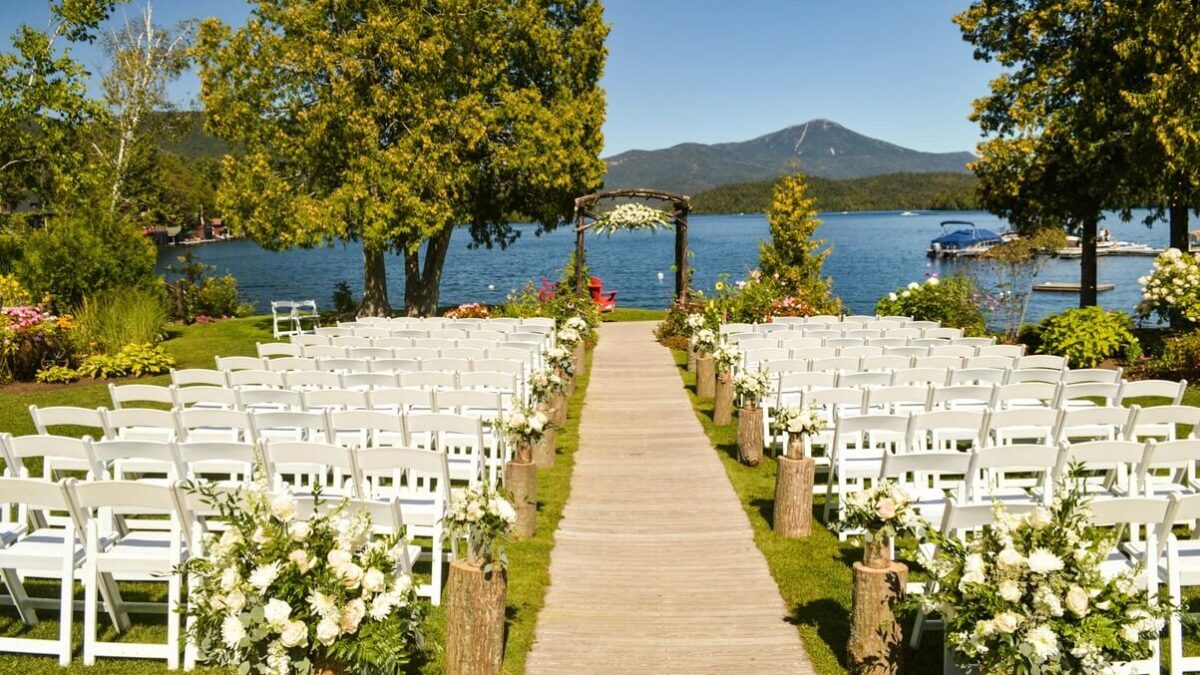
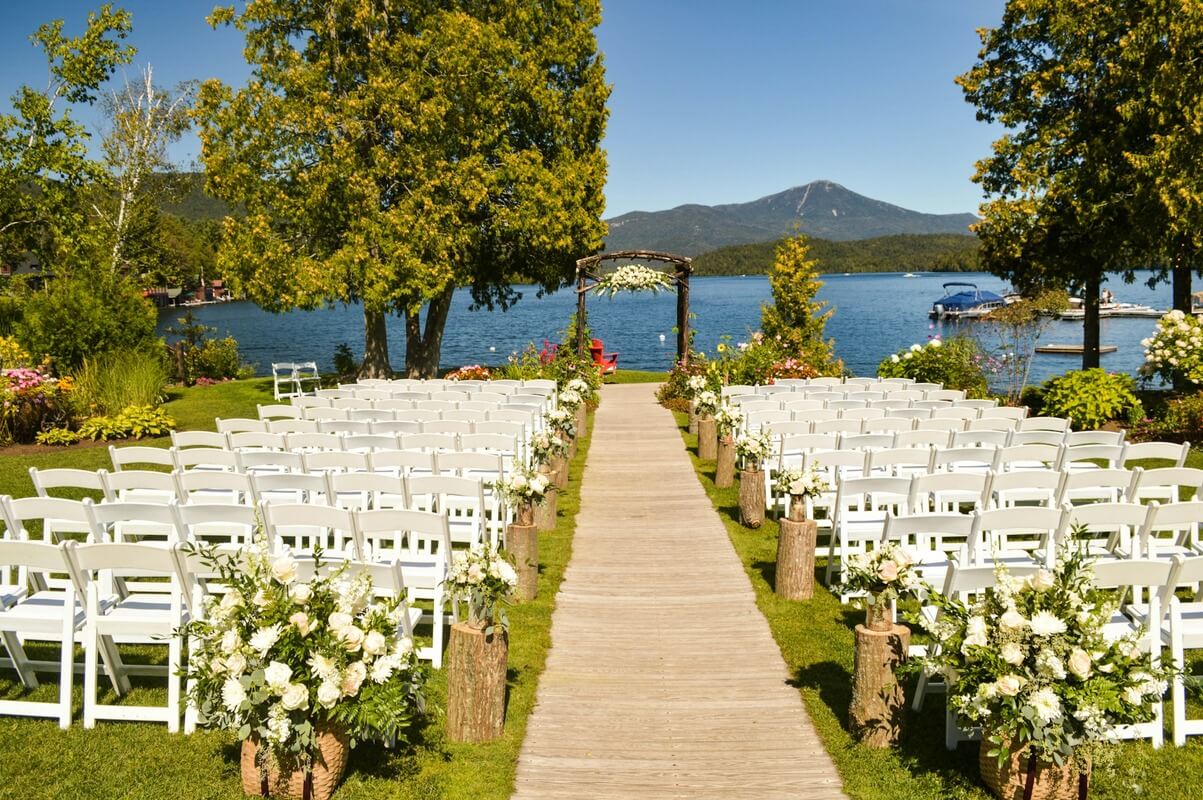
Scenic venues give guests room to move between activities, which can make a long event feel less formal and more engaging. A company retreat might use a covered pavilion for presentations, a lawn for team exercises, and nearby trails for scheduled breaks. Wedding guests could move from a ceremony overlooking the water to dinner on a terrace.
When comparing destinations, look for memorable features that guests can enjoy without leaving the property. A setting near Cul-car-mac Falls, for example, can add a natural focal point to a Tennessee wedding, retreat, or personal getaway. On-site lodging and dining can also reduce transportation needs for group events.
Choosing the Perfect Scenic Location
Visit each location at the same time of day as your planned event. This reveals where the sun falls, how warm exposed areas become, and whether traffic or nearby activity creates unwanted noise. Take photos from guest seating areas, check cell reception, and walk every route between parking, restrooms, and event spaces.
The venue should also suit the least mobile person on your guest list. Ask about paved paths, accessible restrooms and vehicle drop-off points. For weddings, planning an outdoor wedding also means thinking carefully about ceremony placement, natural decor, weather exposure, and how guests will move through the space. Confirm capacity limits, quiet hours, and backup space before signing a contract.
Logistics for an Open-Air Event
Create two workable plans: one for expected conditions and one for rain, high winds, extreme heat, or sudden temperature drops. A tent alone may not solve every problem. You may also need secure flooring, side panels, fans, heaters, protected electrical connections, and a clearly marked shelter area if conditions become unsafe.
Send vendors a site map showing unloading areas, power access, setup times, and any areas that must remain clear for emergency access. Give guests equally practical information, including footwear advice, parking directions, accessibility details, and weather expectations.
Schedule a final venue check 48 hours before the event so you can adjust furniture, signage, lighting, and timing. Confirm that vendors know who makes weather-related decisions and where guests should be redirected if part of the site becomes unusable. Most of all, choose a backup plan you genuinely like. If clouds arrive, the celebration should still feel intentional rather than improvised.
Stay connected