

Long-term wellness often depends on a handful of practical purchases that support your body, daily routines, and access to reliable care. The most useful products solve a clear problem, fit comfortably into your life, and hold up over time. Before buying the latest wellness device, consider where discomfort, poor habits or missing information regularly gets in your way. That approach helps you spend money on items and services that deliver lasting value.
Invest in Your Comfort
Start with the places where you spend the most time. A supportive mattress, breathable bedding, and shoes that fit properly can reduce common sources of strain. Replace worn pillows when they no longer hold their shape, and look for footwear with enough room around the toes and firm support through the heel.
Comfort also means paying attention to the small physical stresses that build up during daily routines. If your shoes cause discomfort, your mattress no longer provides adequate support, or your workspace leaves you feeling stiff, consider whether a simple adjustment could help before spending money on new products. Focus on practical changes that address the source of the problem rather than relying on purchases that offer only temporary relief.
Ergonomics for Daily Life
A well-designed workspace supports your neck, wrists, and lower back throughout the day. Useful office ergonomic essentials include an adjustable chair, a separate keyboard, and a monitor stand. Place the top of your screen near eye level and keep frequently used objects within easy reach.
Small adjustments matter outside a traditional office too. The principles behind workplace ergonomics apply when you study at a kitchen table, work at a retail counter, or spend hours on creative projects. A footrest can help if your feet don’t sit flat on the floor. For standing tasks, cushioned mats and supportive shoes may reduce fatigue. Test one change for a week before purchasing more equipment, since desk height or monitor position may be the real source of discomfort.
Knowledge as a Key Asset
Reliable knowledge helps you separate useful wellness purchases from persuasive marketing. Consider buying a basic first-aid guide, taking a certified first-aid class, or using a notebook to track symptoms, medications, and appointment questions. Understanding hernias in women can also help women recognise possible symptoms, understand why they warrant medical attention, and prepare questions for a healthcare professional. A simple blood pressure monitor may be appropriate if a clinician recommends home readings and explains how often to take them.
Check health claims before purchasing supplements, wearable devices, or screening kits. Look for clear evidence, realistic benefits, and instructions that explain who should avoid the product. Customer reviews can reveal practical concerns such as poor battery life, but they can’t confirm medical effectiveness. If an item promises to diagnose or treat a condition, discuss it with a qualified healthcare professional first.
Smart Choices for Active Living
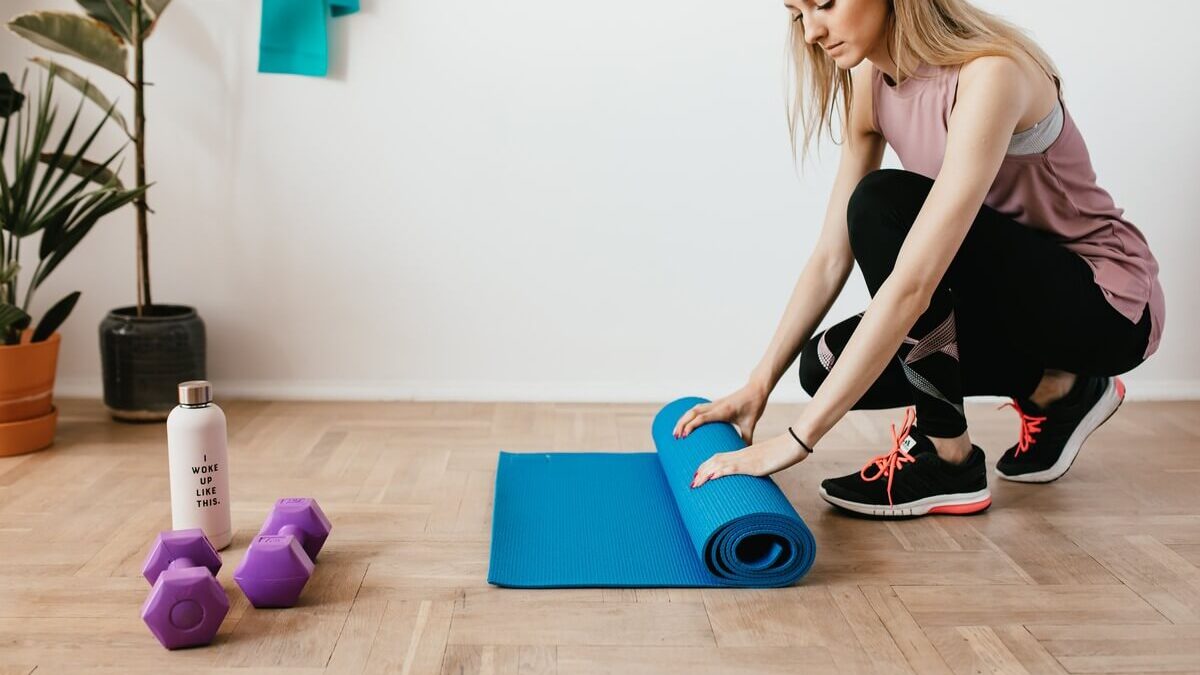
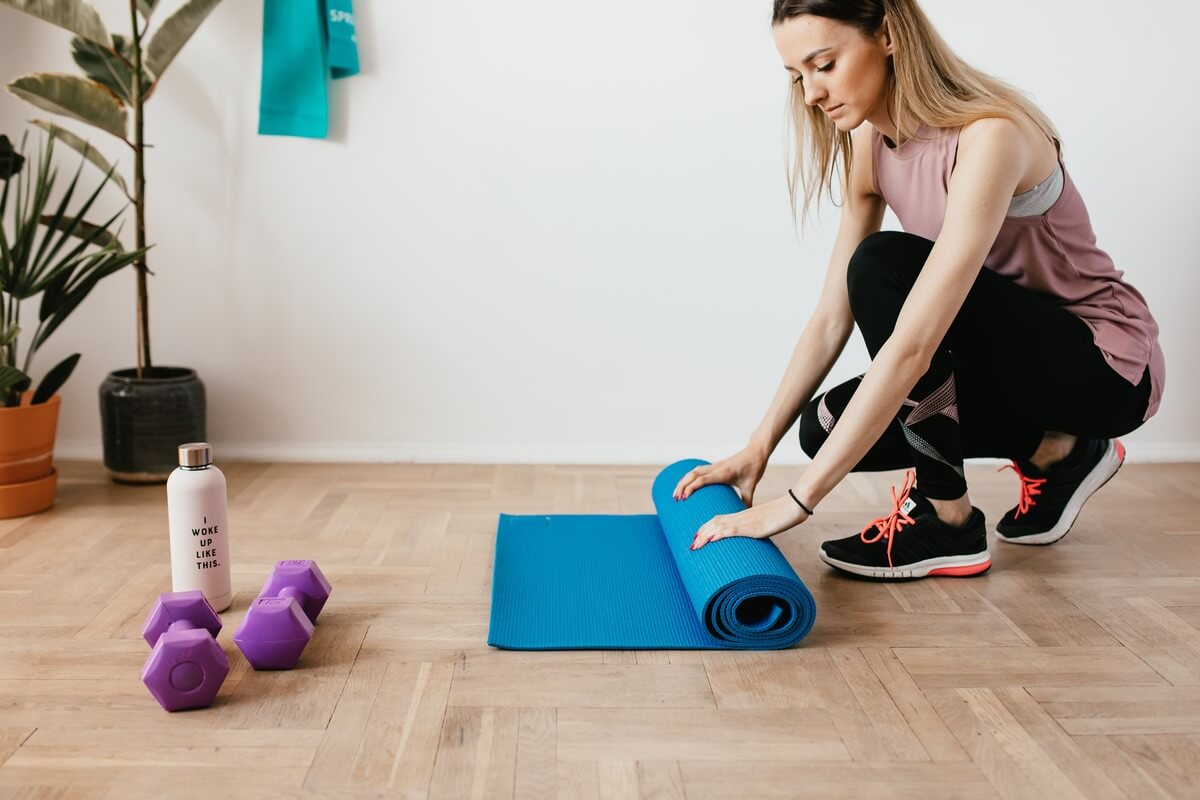
Active living becomes easier when your equipment matches your present ability and preferred routine. Comfortable walking shoes, a refillable water bottle, and weather-appropriate clothing cover the basics for many people. Resistance bands are inexpensive and easy to store, while a stable exercise mat can make stretching or floor exercises more comfortable.
Mobility equipment can also support activity and participation. Canes, rollators and other aids should fit the user correctly, so professional assessment is often helpful. This guide to how mobility living aids enhance independence explains how suitable support can make everyday movement more manageable. Choose products based on where they’ll be used, how easily they can be stored, and whether replacement parts are readily available. Comfort and safe fit matter more than extra features.
Prioritizing Preventative Care
Some of the best wellness purchases are services. Routine dental cleanings, vision checks, recommended vaccinations, and age-appropriate screenings can identify concerns before they become harder to address. Set aside part of your wellness budget for appointments, transportation, and any follow-up tests instead of spending all of it on consumer products.
A small home health kit can support routine care between visits. Include a thermometer, bandages, prescribed medications, and an updated list of allergies and emergency contacts. Check expiration dates twice a year and store everything according to its label. If you use home monitoring equipment, take it to an appointment occasionally so a professional can confirm that you’re using it correctly. The most valuable purchase is often the one that helps you notice a meaningful change and seek appropriate care promptly.
Stay connected