
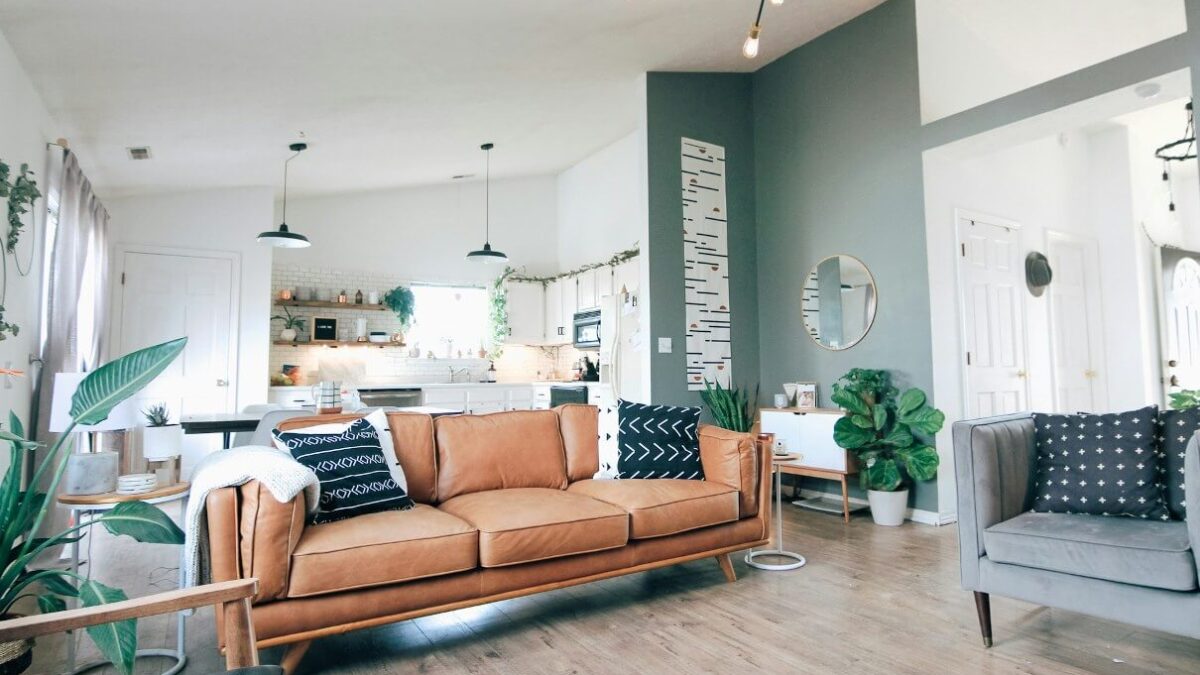

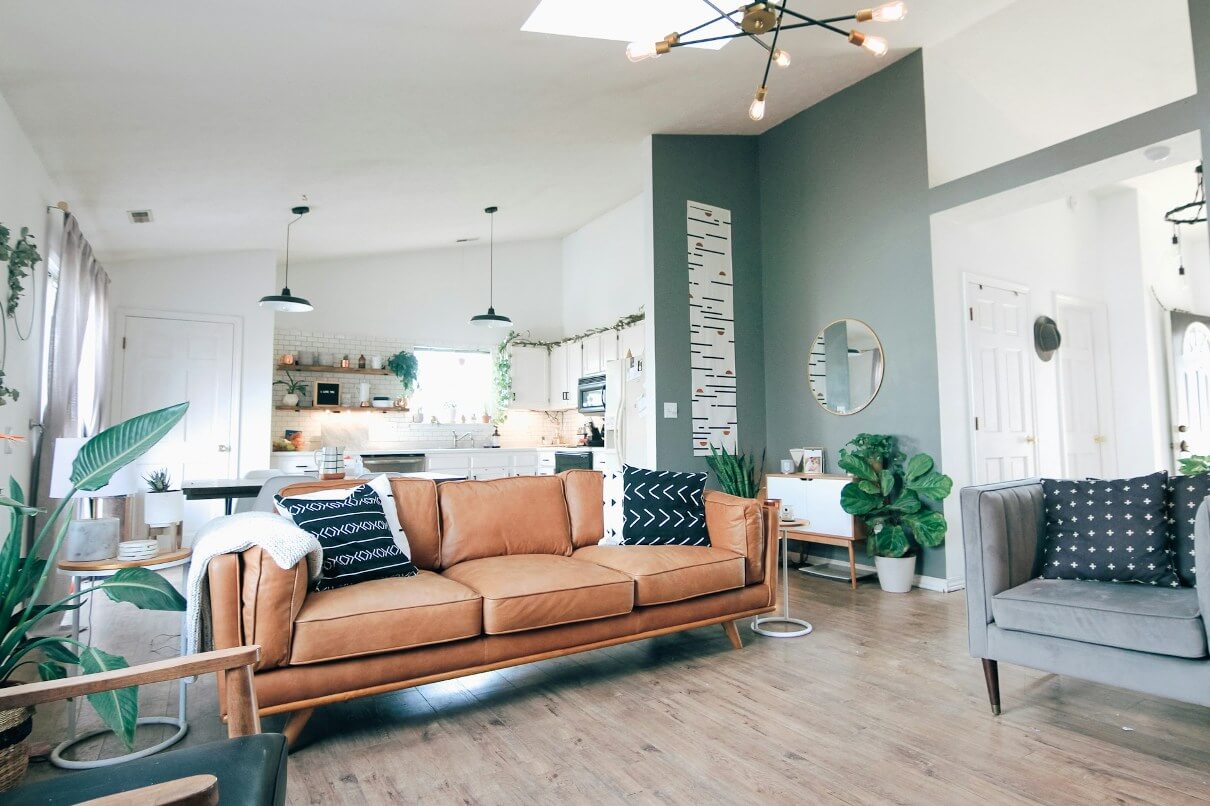
A calmer home can reduce everyday distractions and make routines easier to manage. When counters collect unopened mail, closets overflow and rooms lack a clear purpose, your attention keeps returning to unfinished decisions. Improving your living space gives those decisions a practical endpoint. The process starts with removing excess, but thoughtful layouts, useful storage and flexible rooms help the results last.
The Connection Between Clutter and Stress
Visible clutter competes for your attention. A pile of paperwork may remind you about bills, while clothes on a chair signal another task waiting to be finished. Over time, those small cues can make it harder to relax or focus.
The mental health benefits associated with decluttering can include a stronger sense of control and improved mood. Start with one high-traffic surface, such as the kitchen counter or entry table. Sort everything into items to keep, relocate, recycle or discard. Finishing one defined area gives you a useful daily result without turning the project into an exhausting whole-house overhaul.
Beyond Just Organizing Belongings
Storage containers can conceal clutter without solving the reason it accumulates. Look closely at how you use each room before buying more baskets or shelving. If backpacks land on the dining table every afternoon, for example, the entryway may need hooks and a low shelf within easy reach.
Larger problems may point to a layout that no longer fits your household. Michigan homeowners considering structural changes can consult a luxury residential architect for residential renovations, new home design or interior architecture planning. Professional input is especially useful when storage changes affect walls, circulation or built-in features. The aim is to give frequently used belongings logical homes near the places where you need them.
Rethinking Space for Clarity
Assign a clear job to each area, including awkward corners and transitional spaces. A spare-room desk can support focused work, but exercise equipment and unfolded laundry in the same sightline may weaken that sense of purpose. Use a cabinet, curtain or room divider to reduce visual competition when several activities must share one room.
Cleanliness also influences how a space feels. Guidance on the connection between cleanliness and mental health highlights the value of manageable routines. Keep cleaning supplies near the rooms where you use them and choose easy-to-maintain surfaces. A five-minute evening reset can then restore order before scattered items become a weekend project.
Adaptive Reuse for Modern Living
Existing spaces often have more potential than their original labels suggest. An underused formal dining room could become a homework area with closed storage, while a deep hallway niche might hold a compact workstation. Converting space you already have may improve daily life without adding square footage.
Begin by checking natural light, electrical access, ventilation and traffic flow. Then choose furniture that supports the new function without crowding the path through the room. A shallow desk works better than a full-size table in a passage area. For long-term flexibility, consider movable shelves, pocket doors or built-ins with adjustable components. These features let a study become a guest room or creative space as household needs change.
Achieving Lasting Spatial Harmony
Simple maintenance rules keep an optimized home from sliding back into disorder. Set limits based on available space, such as keeping only the books that fit on one shelving unit. When that boundary is reached, remove or donate an item before adding another.
Review busy areas every few months because routines change. A drop zone that worked during summer may need room for coats and boots in colder weather. Place everyday objects between waist and eye level, reserve high shelves for seasonal goods and label concealed storage in plain language.
Most of all, leave some open space. An empty section of countertop or shelving gives the room visual breathing room and makes cleaning faster. When every object has a useful location and each room supports its actual purpose, order becomes part of the home’s design instead of another task on your list.
Stay connected