
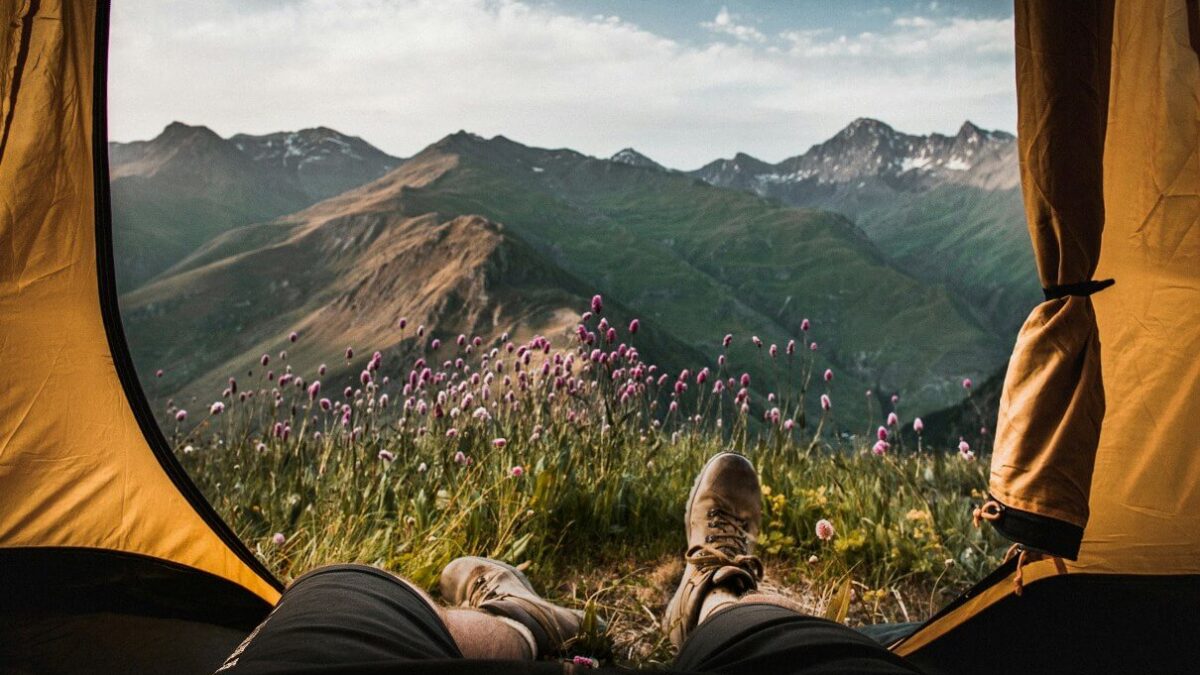

A few days outdoors can create the mental space that busy schedules often squeeze out. Away from constant alerts, packed calendars and familiar routines, you have more time to notice your surroundings and focus on one activity at a time. An outdoor adventure getaway can be as simple as camping near a local trail or as involved as traveling to a remote lodge. The setting matters less than the chance to slow down, move your body and give your attention a genuine reset.
Why We Need to Disconnect
Phones and laptops make work, entertainment and communication easy to access, but that convenience can blur the boundary between productive time and personal time. Even during an evening off, a single notification may pull your thoughts back toward unfinished tasks. Over several weeks, that pattern can leave you tired without feeling properly rested.
Time away breaks the cycle. Research into nature and burnout highlights the value of outdoor recreation as a way to recover from prolonged stress. A getaway also removes many small decisions from your day. Instead of switching between apps and obligations, you can focus on the next trail marker, meal or sunset.
Nature’s Role in Well-being
Natural spaces engage your senses without demanding constant responses. Wind moving through trees, changing light and uneven ground all hold your attention gently. This type of environment can give an overworked mind room to settle while encouraging movement that feels less structured than a gym session.
The benefits of outdoor adventures can include support for mood, sleep and physical health. You don’t need an extreme expedition to experience them. A two-hour forest walk, a quiet afternoon beside a lake or a weekend at a rural cabin may be enough to change your pace. Sunlight during the day can also support a consistent sleep schedule, especially when you reduce bright screens at night.
Planning Your Wilderness Escape
Start with the experience you want, then choose a destination that matches your comfort level. A first-time camper may prefer an established campground with restrooms and marked paths. Experienced travelers might choose a remote cabin or a professionally organized specialty trip. Providers such as Texas Hog Hunting serve individuals and groups seeking guided experiences in a natural West Texas setting, illustrating the kind of destination-specific operator that requires careful research before booking.
Review travel time, seasonal weather and physical demands. Confirm what the operator supplies and what you must bring. Share your route with someone at home, download offline maps and check local conditions shortly before departure. A flexible backup plan helps when rain, heat or trail closures affect the original itinerary.
Activities for a Truly Immersive Trip
Choose activities that keep you engaged with the setting. Hiking provides a clear sense of progress, while paddling offers a different view of shorelines and wildlife. Birdwatching, nature photography and sketching encourage you to slow down and notice details you might otherwise pass.
Leave room for unplanned time too. A schedule filled from sunrise to dinner can feel like another workweek. One main activity each day often provides enough structure without creating pressure. Try keeping your phone packed away for a set period, such as the first three hours after breakfast. If you use it for maps or photos, switch on airplane mode so messages don’t interrupt the experience. Follow posted rules and leave plants, rocks and natural areas as you found them.
Bringing the Benefits Home
The calm of an outdoor getaway can fade quickly once regular responsibilities return, so carry home one or two habits that fit your normal week. Take lunch outside, walk through a nearby park after work or keep the first 30 minutes of your morning screen-free. These small routines recreate part of the slower pace without requiring another trip.
You can also preserve a practical reminder of the experience. Print one photograph, keep a trail journal on your desk or plan a monthly half-day outdoors. When the calendar begins to feel crowded again, that reminder can prompt you to protect time for rest. The most useful souvenir may be a renewed ability to notice when you need to step outside and reset.
Stay connected