
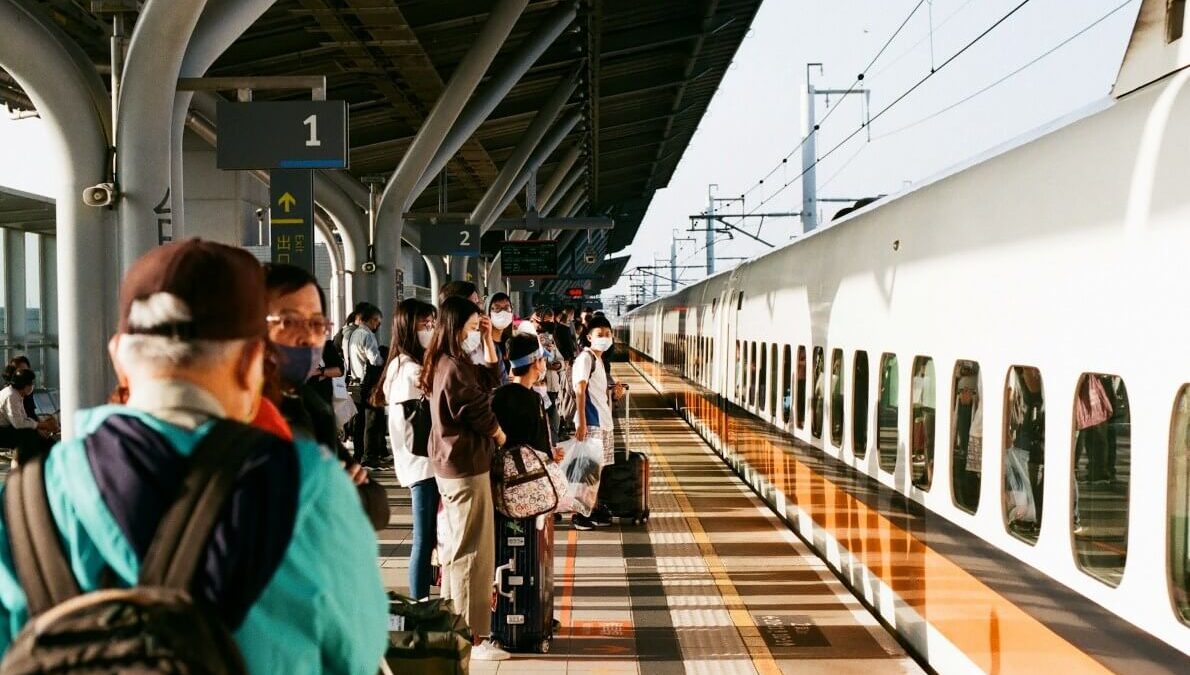

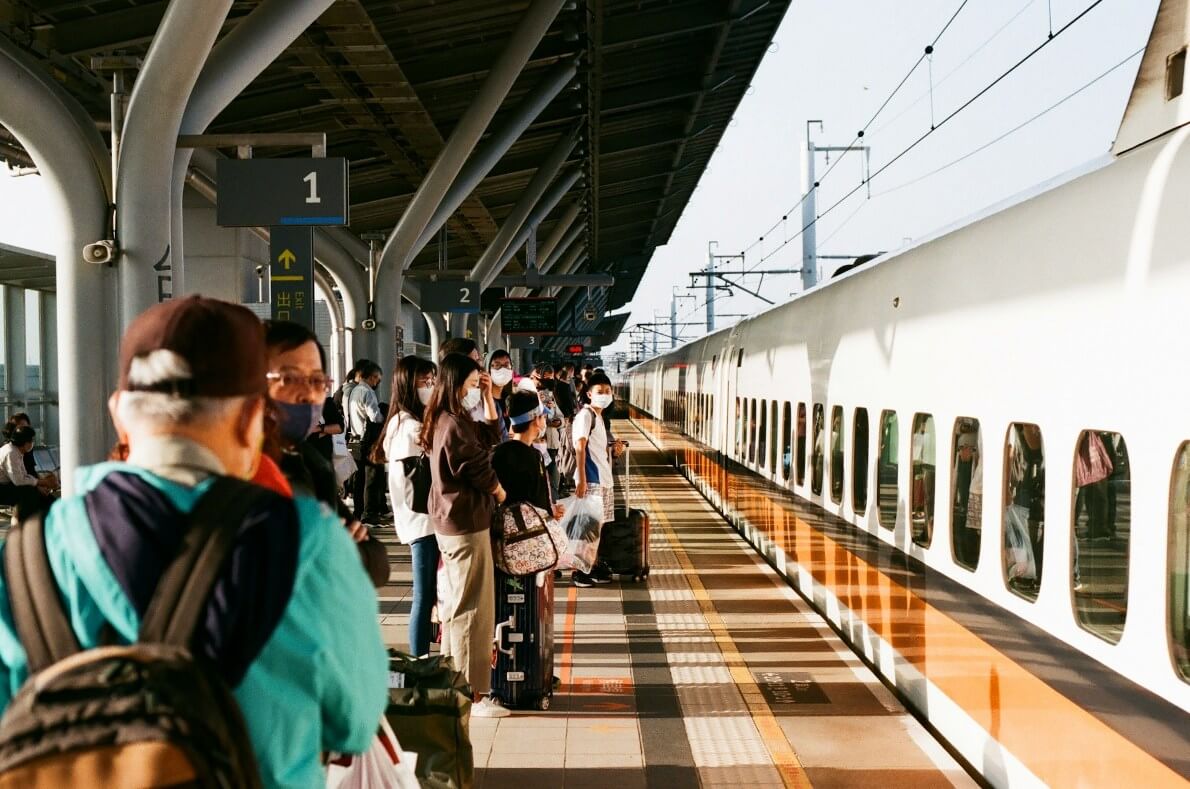
China’s high-speed rail network makes it practical to travel between major cities without dealing with airports far outside the city center. Trains are generally clean, punctual and easy to use once you understand the booking and boarding process.
Still, a first trip can involve a few surprises. Large stations require extra walking time, tickets are connected to your passport, and English signage varies by location. Check current passport and visa requirements before booking, then use the tips below to plan the rail portion of your trip.
Choose the right train and station
China uses several train categories. G trains are usually the fastest high-speed services, while D trains often travel at slightly lower speeds and may serve more stops. Conventional trains use other letter codes and can take much longer.
Check the departure station carefully because cities often have several. Beijing Railway Station and Beijing South Railway Station, for example, are separate terminals. Searching only by city name can lead to an inconvenient booking.
Also compare arrival stations. A slightly longer train ride may leave you closer to your hotel, saving time on a cross-city transfer after arrival.
Book tickets before popular routes fill up
Train tickets usually go on sale shortly before departure, with the exact sales window subject to change. Reservations are especially useful on weekends, public holidays, and during major events. Guides to China rail travel can help you compare routes, schedules, trip lengths and ticket options before committing to an itinerary.
You’ll typically need each passenger’s passport details during booking. Enter names and document numbers exactly as they appear on the passport since mismatched information may cause trouble at the station.
For a flexible itinerary, identify a first-choice train and one or two backups. That simple list helps if your preferred departure sells out.
Understand tickets and seat classes
Most passengers use an electronic ticket linked to their passport. The passport becomes the key document at station entry, the boarding gate, and sometimes during an onboard inspection. Review the current railway ticket rules before departure, as procedures may change.
Second class is comfortable for most trips and usually has five seats across each row. First class offers wider seats and more personal space, while business class provides a premium experience at a much higher price.
Seat assignments appear in your reservation details. Look for the car number and seat number, then follow the platform markings to the correct boarding area.
Give yourself time at the station
Aim to arrive about 45 to 60 minutes before departure, particularly at a station you haven’t visited before. Major terminals can feel more like airports than neighborhood train stops, with multiple entrances, security checks, and large waiting halls.
Keep these items easy to reach:
- Your original passport
- Your booking confirmation
- The train number and departure time
- The station name written in Chinese
- Your hotel address for the arrival city
Departure boards usually display train numbers alongside destinations, making the number the easiest detail to follow. Boarding often begins around 15 to 30 minutes before departure, and gates may close several minutes before the train leaves.
Pack for an easy ride
Storage space varies by train and seat location, so a manageable suitcase will make boarding easier. Larger bags usually go in racks near the end of the car, while smaller bags may fit in the overhead racks. Keep passports, phones, and valuables with you.
Bring water and a few snacks, especially on a longer route. Food carts or onboard meals may be available, but selection can vary. A portable charger is also handy since charging access isn’t guaranteed at every seat.
Download destination details before leaving your hotel. Mobile service may be unreliable in tunnels, and offline addresses can help when arranging transportation upon arrival.
Plan the arrival before you depart
A station name alone doesn’t tell you how far you’ll be from your hotel. Look up the local subway, taxi pickup area, or ride-hailing instructions before boarding the train. Some asian cities have several rail terminals located on opposite sides of the urban area.
Save your accommodation’s name and address in Chinese so you can show it to a driver or station employee. If you’re making a same-day connection, allow a generous buffer because transferring may involve leaving one station and crossing the city to another.
Once aboard, set an alarm for 15 minutes before arrival. You’ll have enough time to collect your bags and stand near the exit without rushing through the car.
Stay connected