
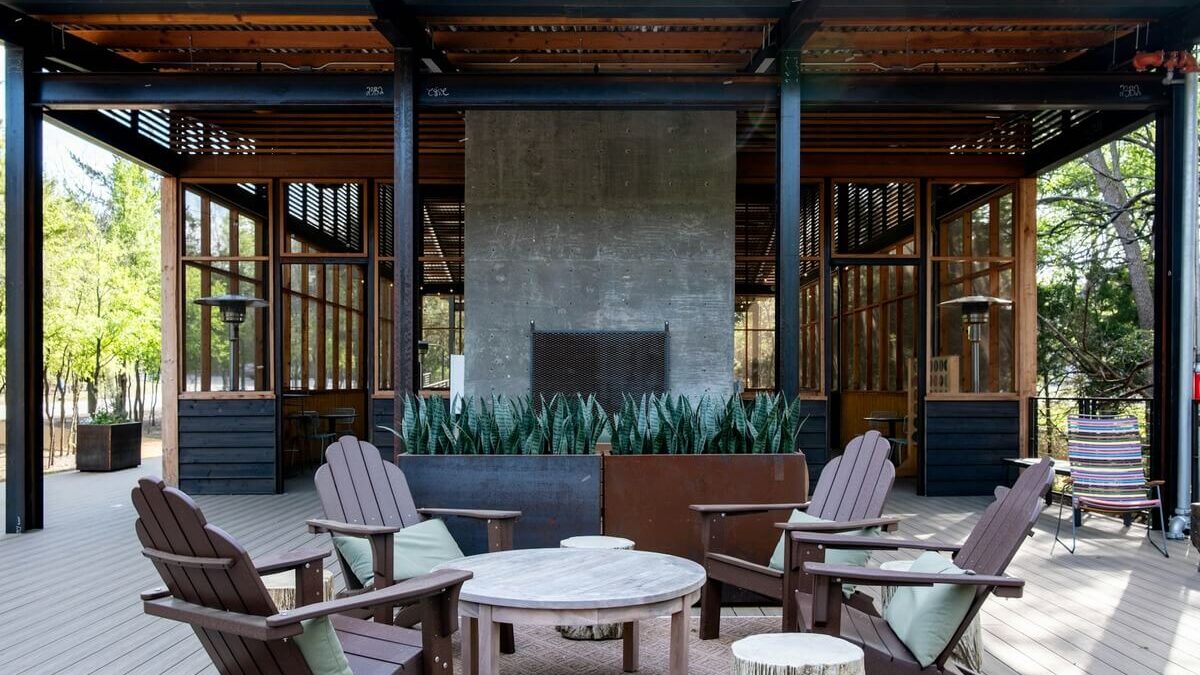

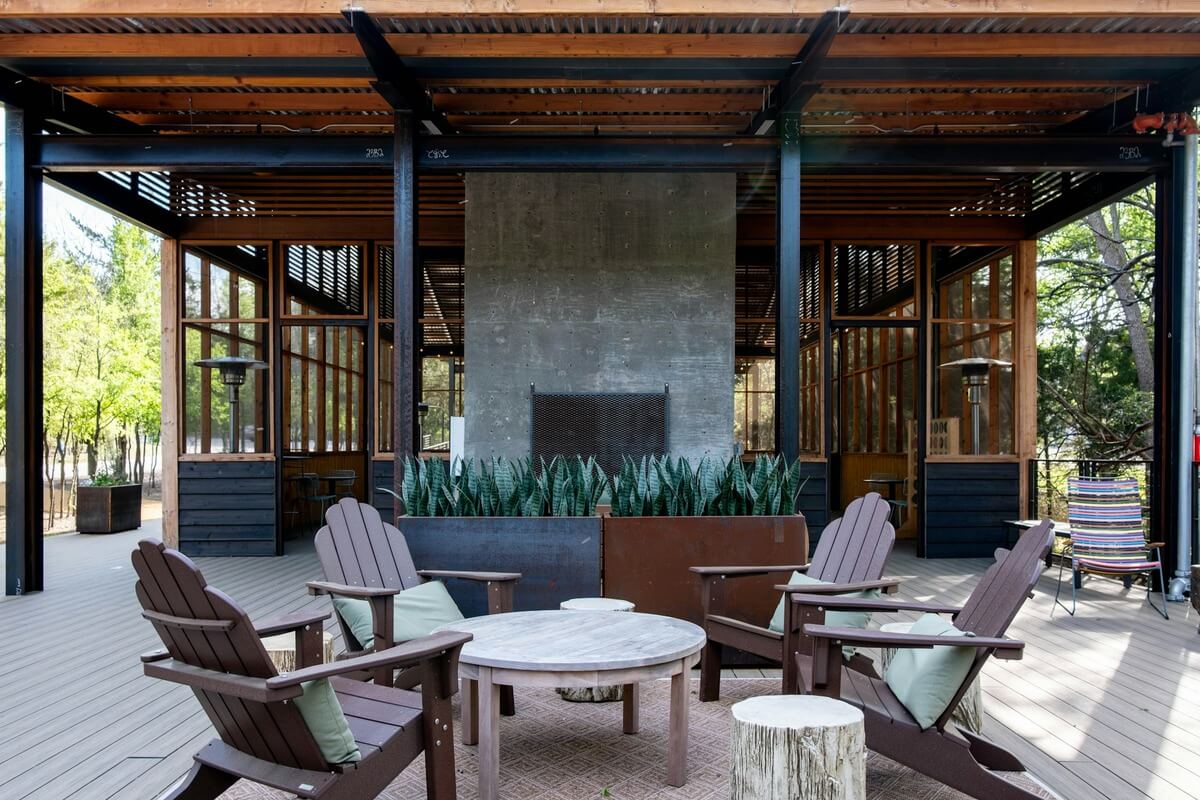
A long-lasting outdoor space starts with decisions about use, drainage, and upkeep before the first paver or plant goes in. Good design accounts for foot traffic, weather exposure, and the way water moves across the property. It also makes routine care manageable. When those details work together, patios, walkways and gathering areas stay attractive without demanding constant repairs or costly seasonal fixes.
Beyond Aesthetics: Planning for Function
Start by listing how you expect to use the space. A dining area needs enough room to move around occupied chairs, while a garden path should remain comfortable when plants reach their mature size. Guidance on functional outdoor spaces also highlights the value of connecting activity zones through clear, practical routes.
Map sunlight, shade, existing slopes and runoff before choosing a layout. If the project includes a driveway, parking area, or large paved surface, learn how to size a trench drain system based on expected flow, channel dimensions, and load requirements. Those calculations belong in the early design stage because drainage may affect grading and finished surface heights.
Choosing Durable Materials
Match each material to its exposure and expected use. A covered seating area faces different conditions than an uncovered walkway that receives direct sun, heavy rain, and regular foot traffic. Examples of durable outdoor design include selecting weather-resistant finishes and accounting for moisture from the beginning.
Look beyond color when comparing products. Check slip resistance, cleaning requirements, and resistance to fading or freeze-thaw cycles. Dense pavers may suit a busy path, while rot-resistant composite boards can simplify deck care. Use exterior-rated fasteners and compatible sealants too. A premium surface can still fail early if its connectors corrode or its joints can’t accommodate normal expansion.
The Role of Effective Water Management
Water should move away from buildings and usable areas without collecting along edges or washing soil from planting beds. Even shallow puddles can stain paving, encourage algae, and speed up surface wear. Observe the property during rainfall if possible, since dry-weather inspections may hide low spots and blocked runoff paths.
Use a combination of grading, drains, and permeable areas. Hard surfaces generally need a consistent slope toward an approved outlet, while gravel borders or planted swales can slow runoff and encourage absorption. Keep soil and mulch below siding and door thresholds. When several drainage features connect, confirm that downstream pipes and outlets can handle the combined flow instead of shifting the problem elsewhere.
Designing for All Seasons
Seasonal changes affect comfort as well as material performance. Deciduous trees can provide summer shade while allowing more winter sunlight, though their mature roots and canopy need enough space. Covered zones offer protection from rain and strong sun, extending the number of days you can use a patio.
Plan for temperature swings too. Leave the recommended expansion gaps around decking and use flexible joint materials where surfaces meet. In colder climates, choose paving rated for freeze-thaw conditions and avoid layouts that trap melting snow. Warm regions benefit from lighter surface colors and shaded seating. Layered lighting along steps, paths, and entrances helps the space remain practical when daylight hours shorten.
Maintenance Tips for Lasting Beauty
Set a simple care schedule based on the materials in your space. Sweep paving regularly so leaves and soil don’t clog joints or drainage openings. Clean spills promptly, trim plants away from structures, and check wood finishes each year for peeling or discoloration. Follow manufacturer instructions before pressure washing because excessive force can damage soft wood, grout, and some coated surfaces.
Treat upkeep as an extension of design. A useful preventive maintenance guide explains why scheduled inspections often cost less than reacting to failures. Check after major storms for standing water, loose pavers, and washed-out soil. A clear drain, stable edge and sealed joint can prevent a small defect from spreading across an entire patio or walkway.
The best time to catch outdoor wear is while it remains easy to correct. A quick seasonal inspection of slopes, joints, and drainage openings can preserve both the appearance of the space and the work happening beneath its surface.
Smart Outdoor Space Design for Longevity
Stay connected