

Smart home technology can make a backyard more comfortable, restorative, and easier to maintain. Thoughtful upgrades help you manage lighting, irrigation, and everyday comfort without filling the space with distracting devices. The best systems work quietly in the background while supporting more time outdoors.
Start with the features that address a real need, such as harsh evening light or inconsistent watering. Broader ideas around smart home wellness can also help you connect outdoor improvements with sleep routines, air quality, and daily activity.
Bringing Tech to Your Backyard
Choose outdoor technology built to handle moisture, dust, and temperature changes. Weather-resistant speakers, smart plugs and Wi-Fi access points can extend familiar home controls onto a patio or deck. A mesh Wi-Fi node placed near an exterior wall may improve coverage, though it should remain in a location approved by the manufacturer.
Keep controls simple. One phone app or voice assistant can manage lights, music, and water features without making you switch between several systems. Set a “quiet evening” routine that lowers the lights and reduces speaker volume at a fixed time. This type of wellness-focused home technology can support consistent routines while keeping manual controls available for guests.
Creating Zen Spaces for Relaxation
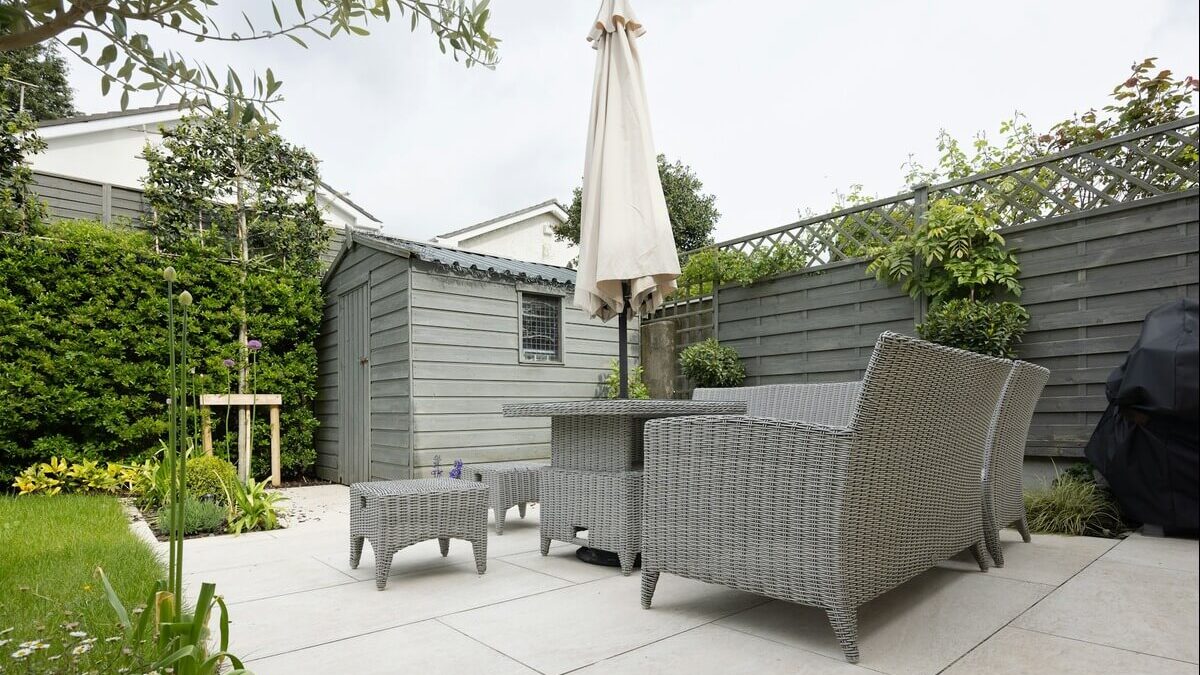
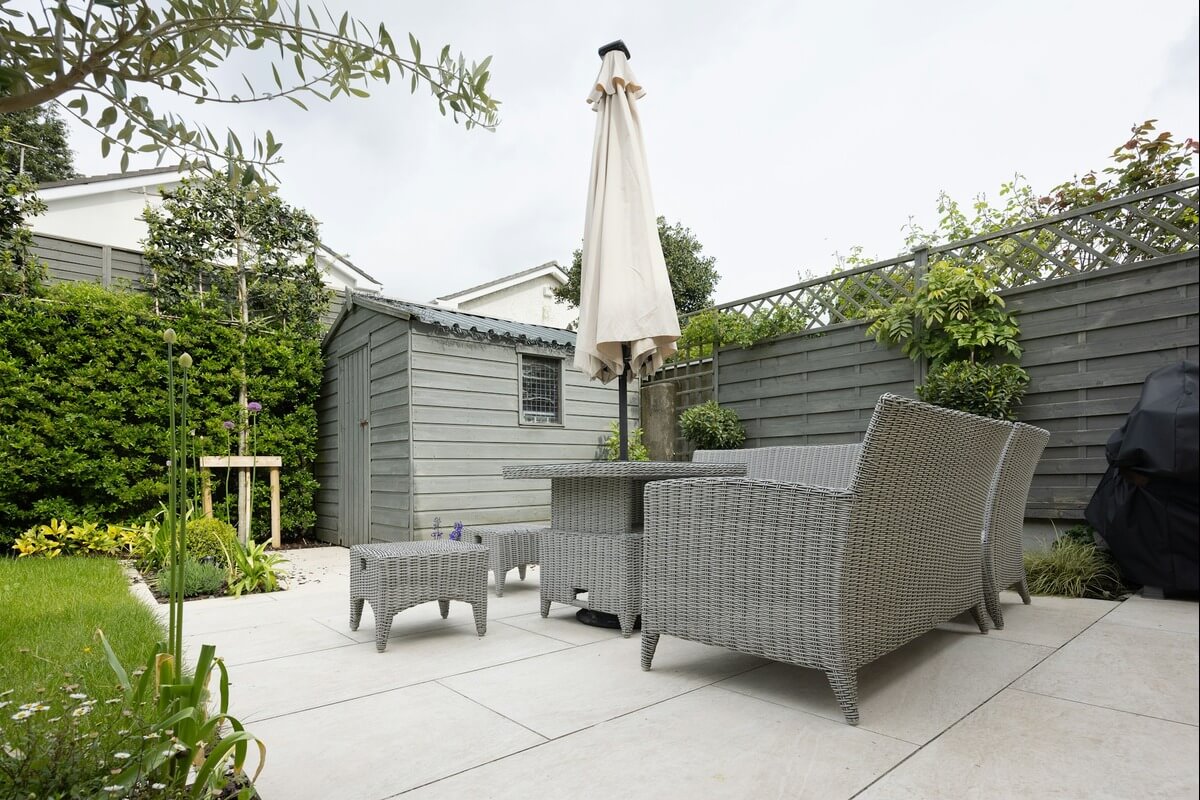
Give your relaxation area a defined purpose before adding technology. A small paved corner with two comfortable chairs may work better than spreading furniture throughout the yard. For homeowners in Kitchener-Waterloo, guidance on interlock for residential landscapes can help when planning a stable surface that reflects local climate and soil conditions.
Once the foundation is settled, add restrained smart features. A quiet water feature on a timer can mask nearby traffic during the afternoon, while a compact speaker can play soft music at a low volume. Keep screens out of the main sightline and use native plants or tall containers to create privacy. Your seating should face greenery, open sky, or another calming focal point.
Low-Maintenance Landscape Design
A low-maintenance yard gives you more time to enjoy the space. Group plants according to their water and sunlight needs so one irrigation zone can serve several beds efficiently. Perennials, native grasses, and slow-growing shrubs often require less seasonal replacement than delicate annual displays.
Hard surfaces also affect upkeep. Use defined paths to reduce worn patches in the lawn and install edging that keeps soil and mulch from washing onto patios. Permeable surfaces can help water soak into the ground where site conditions allow. Leave enough room around shrubs for their mature size, since crowded planting leads to frequent trimming. Smart design also includes access: irrigation valves, outdoor outlets, and drainage points should stay easy to inspect without moving heavy furniture.
Outdoor Lighting for Ambiance
Layer outdoor lighting instead of relying on one bright fixture. Low path lights help people see elevation changes, while shielded wall lights illuminate doors and steps. A warmer color temperature, often around 2700K, tends to feel comfortable near seating and dining areas.
Smart controls make these layers easier to manage. Schedule path lights to turn on near sunset, dim patio fixtures after dinner, and switch everything off at bedtime. Motion sensors can activate brighter task lighting only when someone approaches a gate or storage area. This guide to the importance of outdoor lighting offers more practical context for balancing appearance and function. Aim fixtures downward and keep light within your property to reduce glare for neighbors.
Automating Garden Care
Smart irrigation controllers can adjust watering schedules using local weather data, but they still need a sound setup. Divide the yard into zones based on plant type, shade, and soil drainage. A sunny vegetable bed may need a different schedule from established shrubs beneath a tree.
Check soil moisture by hand during the first few weeks after installation. If the ground stays wet several inches below the surface, reduce the duration or frequency. Drip lines deliver water close to plant roots and help keep paved areas dry. You can also add a rain sensor, a soil-moisture sensor, or a flow monitor that flags unusual water use. Inspect emitters monthly during the growing season since mulch, roots, and mineral buildup can affect performance.
A useful outdoor system should leave the yard feeling calmer, not more complicated. Pair one dependable automation routine with a comfortable place to sit, then adjust timing and brightness after you’ve used the space for a few evenings. Small refinements often make the greatest difference in how naturally the backyard fits into your day.
Smart Home Upgrades That Boost Wellness Outdoors
Stay connected