
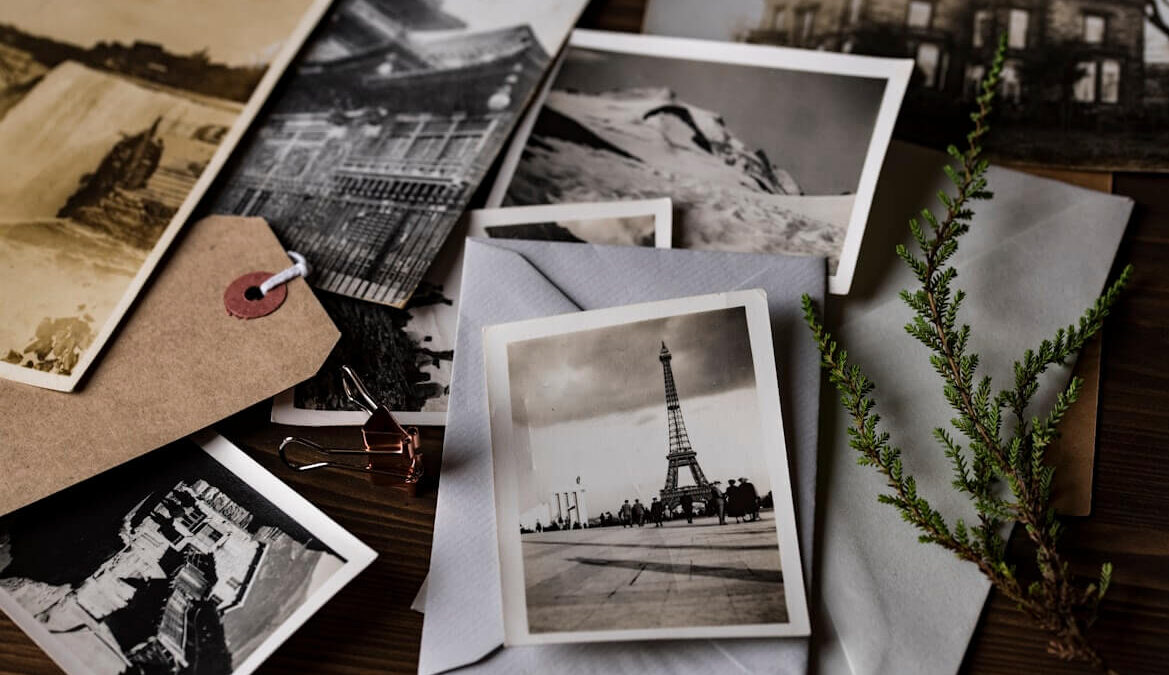


For generations, remembering those we’ve lost often meant flipping through a dusty photo album, sharing stories around a dinner table, or holding a cherished heirloom. These traditions are still deeply meaningful, but technology is now offering powerful new ways to preserve legacies and keep memories alive.
Just as personalized rituals can make important life milestones more meaningful, digital tools are giving families new ways to commemorate the people they love. From shared digital spaces to interactive experiences, our methods of remembrance are changing, bringing comfort and connection in unexpected forms.
These new tools don’t replace traditional ways of grieving and honoring loved ones. Instead, they add to them, creating a richer, more accessible tapestry of memory for friends and family to share, no matter where they are.
From Photo Albums to Digital Archives
One of the most immediate ways technology has changed remembrance is through digitization. Those boxes of fading photographs, stacks of handwritten letters, and hours of home video footage that once sat in an attic can now be preserved indefinitely. Scanning photos and documents or converting old video formats to digital files creates a permanent archive that won’t degrade over time.
This process does more than just save the content; it makes it shareable. With a single click, you can send a treasured family photo to relatives across the country or upload a grandparent’s wedding video for the whole family to see. Cloud storage services let families create collaborative folders where everyone can contribute their own photos and stories, building a collective digital scrapbook that grows over time.
Creating Lasting Online Memorials
Beyond simple storage, technology allows us to create dedicated spaces for remembrance. Online memorial pages serve as a central hub where friends and family can share condolences, post photos, and write down their favorite memories. These virtual guestbooks become a lasting tribute, accessible long after a formal service has ended. Many social media platforms also offer legacy features that turn a person’s profile into a memorial, preserving their posts and letting friends continue sharing memories on their timeline.
Funeral directors often help families navigate these options, integrating digital tributes with traditional services. These professionals rely on a network of partners like Hilton Funeral Supply to provide the physical elements that create a dignified and complete memorial experience, ensuring that both the in-person and online aspects of remembrance are handled with care.
The New Frontier: AI and Interactive Memory
Perhaps the most futuristic development in remembrance technology is the use of artificial intelligence. Some companies are now developing services that analyze a person’s digital footprint, such as their emails, text messages, and social media posts, to create interactive AI personas. This allows family members to ask questions and receive responses in the voice and style of their loved one.
While this concept can feel jarring for some, others find comfort in these AI ‘ghost’ chatbots. The technology is still new, and it raises complex ethical questions about consent and the nature of identity. However, it highlights a profound shift in how AI is rewriting grief and memory, offering a form of continued connection that was once only found in science fiction.
Tangible Tech: Modern Heirlooms
Technology is also blending with the physical world to create new kinds of keepsakes. Some modern headstones and memorial plaques now include QR codes. When scanned with a smartphone, these codes can link to a website filled with photos, videos, stories, and tributes dedicated to the person’s life. This turns a static monument into an interactive portal to their legacy.
Similarly, digital lockets and other forms of “smart jewelry” can store thousands of photos or short video clips, letting you carry a dynamic collection of memories with you. These tangible-tech objects bridge the gap between a physical heirloom and a digital archive, offering a personal and modern way to keep a loved one close.
Ultimately, these technological tools are just that: tools. They provide new avenues for connection, preservation, and storytelling, but the human impulse to honor and remember remains at the heart of it all. They offer us more ways to share the stories that matter and keep the legacies of those we love alive for generations to come.
Stay connected